Memory Supplements for Seniors: What the Evidence Actually Shows
What is the best memory supplement for seniors?
There is no single best memory supplement for every older adult, but the ingredients with the most human data are omega-3 DHA, citicoline, phosphatidylserine, standardised bacopa and lion's mane. The best choice is a fully itemised, stimulant-free formula that matches your diet gaps and, crucially, does not clash with your medication. Check interactions with a clinician before you buy anything.
- Best-evidenced ingredients: omega-3 DHA, citicoline, phosphatidylserine, bacopa, lion's mane.
- Safety first: confirm no medication interactions with a doctor or pharmacist.
- Timeline: allow 8–12 weeks; no supplement prevents dementia.
Search interest in memory supplement terms adds up to roughly 9,900 lookups a month, and a large share of that comes from older adults and the people who care for them. That is an entirely reasonable thing to look into. The problem is that the results are a mix of solid nutrition science and confident marketing, and telling them apart is exactly the skill this guide is built to give you. If you are choosing a memory supplement for a senior, whether for yourself or a parent, the goal is not to find a miracle but to find the small number of ingredients with real human data, at doses you can verify, in a formula that is safe alongside existing prescriptions.
We will keep two promises throughout. First, we will be specific about which ingredients have evidence in older adults and which are riding on lab studies or hope. Second, we will lead with safety, because seniors are the group most likely to be taking several medications at once, and a memory supplement that interacts with a blood thinner or a neurological drug is a step backward no matter how good its marketing looks.
Why older adults are a special case
Two things change with age that make supplement choices different. Nutrient absorption and intake often decline, so genuine shortfalls in things like omega-3 fatty acids, B12 and vitamin D become more common, and correcting a real shortfall is where supplements do their most defensible work. At the same time, the number of prescriptions tends to rise, which means the odds of an interaction climb with every extra pill added to the cabinet. A memory supplement for seniors therefore has to clear a higher safety bar than the same product aimed at a twenty-five-year-old.
There is also a mindset trap worth naming early. The fear of cognitive decline is real and powerful, and the category knows it. That fear makes it tempting to buy on hope rather than evidence, and to read modest study results as promises. The antidote is to insist on the same three things every time: a disclosed dose, human data in a relevant age group, and a clean interaction check. Everything below is organised around those three filters.
The ingredients with genuine human data
Start with omega-3, and specifically DHA, the fatty acid that makes up a large share of brain cell membranes. Older adults are among the most likely to fall short of it, and observational and trial evidence links adequate DHA to better cognitive ageing, though it is a long-game nutrient measured over months, not a quick fix. If your diet is light on oily fish, this is often the single most defensible place to start, and our dedicated guide to omega-3 DHA dosage for brain health covers how much to aim for.
Citicoline and phosphatidylserine both have short human trials in older adults with age-related memory complaints, showing modest improvements on some measures. Standardised bacopa monnieri is one of the better-evidenced botanicals, and it is directly relevant here: a 12-week trial in adults aged 55 and over reported improved recall and verbal learning versus placebo. Lion's mane has early human data and a good safety profile, and magnesium L-threonate is an optional extra with preliminary evidence and the side benefit of addressing a mineral many older adults are short on.
The honest headline for this entire category: correcting a real shortfall helps, topping up an already adequate intake usually does not, and nothing on the shelf prevents or reverses dementia. Hold all three of those at once.
Senior-relevant memory ingredients and their evidence
| Ingredient | What the human data suggests | Timeline | Notes for seniors |
|---|---|---|---|
| Omega-3 DHA | Supports cognitive ageing; strongest if intake is low | Months | Can add to blood-thinner effects |
| Citicoline | Modest gains in attention and memory measures | Weeks | Generally well tolerated |
| Phosphatidylserine | Modest memory support in older adults | Weeks | Among the better-studied for this age group |
| Bacopa monnieri | Improved recall and verbal learning at 55+ | 8–12 weeks | Take with food; can cause mild GI upset |
| Lion's mane | Early but encouraging human data | Weeks to months | Good safety profile so far |
| Magnesium L-threonate | Preliminary; also corrects common shortfall | Weeks | Useful if magnesium intake is low |
Notice what is not on that list: high-stimulant "energy" ingredients. For older adults, stimulants can worsen sleep, raise heart rate and blood pressure, and interact with cardiac medications, which is why a stimulant-free formula is usually the right call. If avoiding caffeine entirely matters to you, our guide to reading caffeine-free brain supplement labels lists the stimulant names that hide behind botanical wording.
Looking for a stimulant-free, fully disclosed formula?
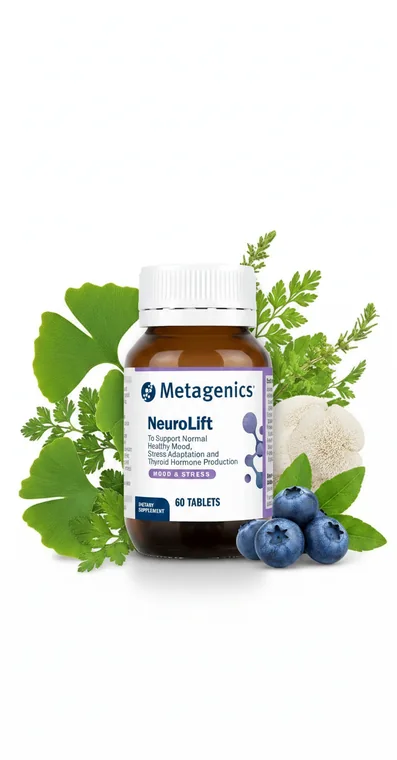
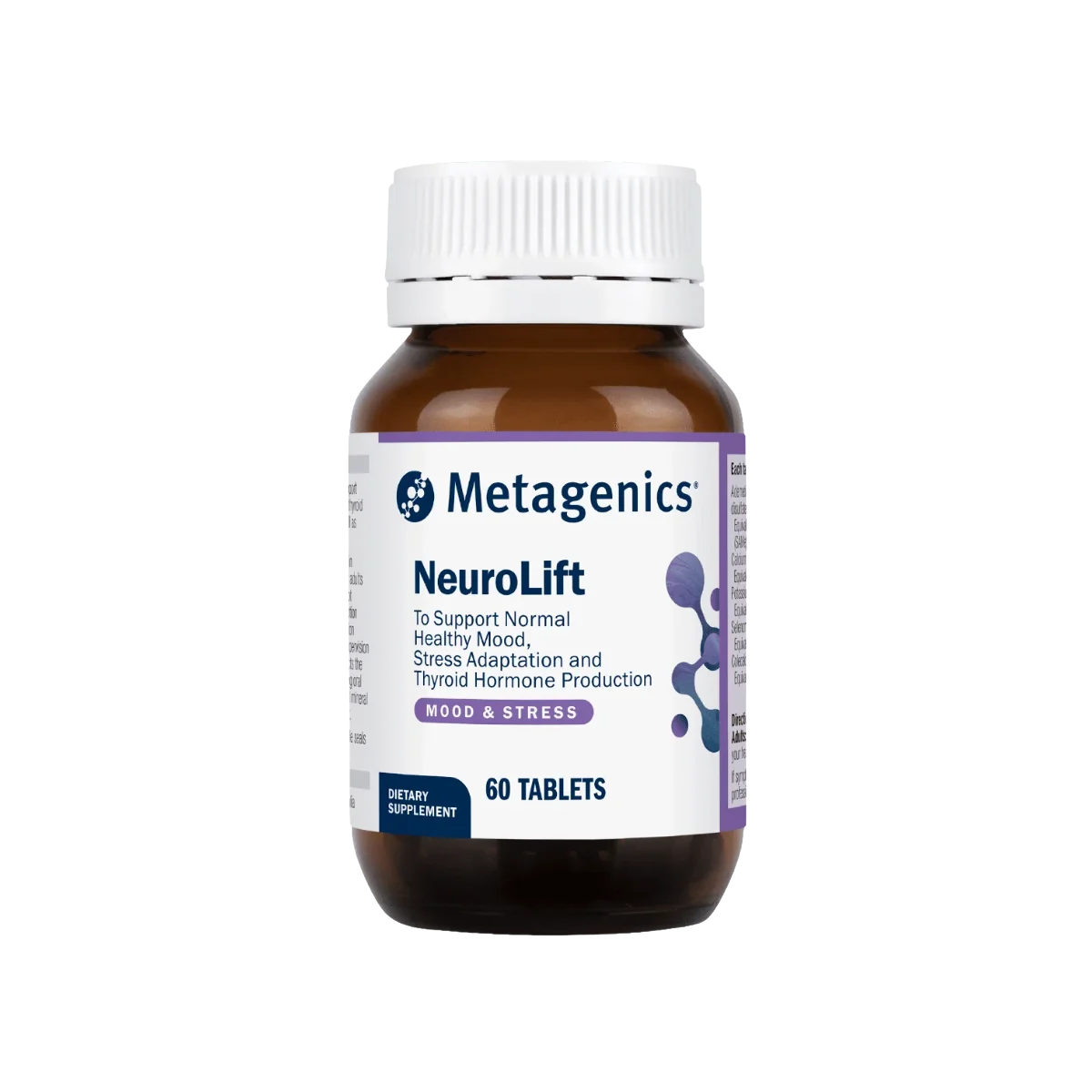
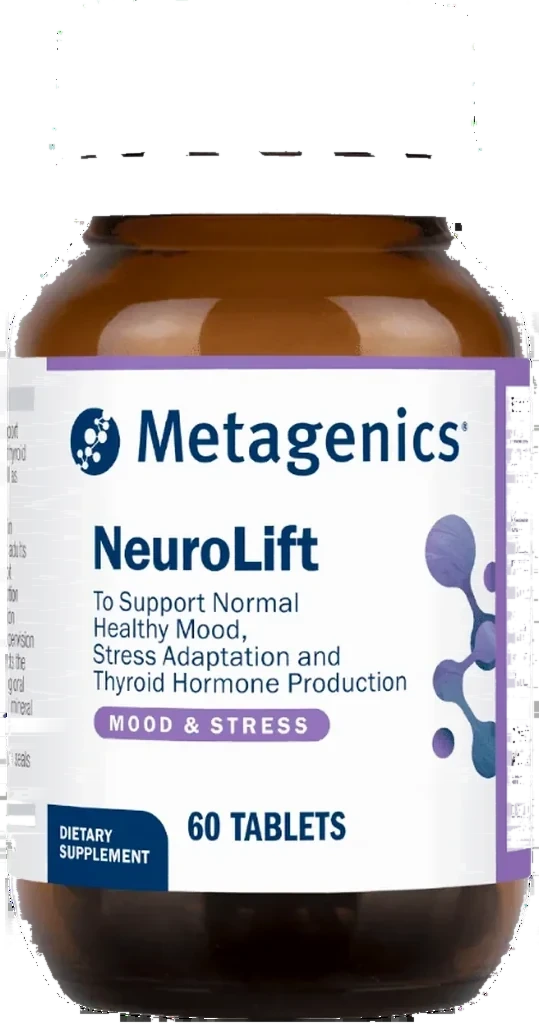
Neuro Lift is a stimulant-free formula that itemises every amount — SAMe and folinic acid for methylation, iodine and selenium for normal thyroid function, vitamin D3, and four standardised botanicals for mood and stress. No proprietary blends means you can take the exact label to a pharmacist and check it. See the full dose list before deciding.
Check Availability & PricingAre memory supplements safe for older adults on medication?
This is the section to read twice. The answer is not automatically yes, because several of the most popular memory ingredients interact with common prescriptions. Omega-3 at higher doses and ginkgo biloba can add to the effect of blood thinners and antiplatelet drugs. St John's Wort, which appears in many mood-oriented formulas and whose evidence we weigh in our review of St John's Wort and ashwagandha for mood and stress, is one of the most interaction-prone botanicals there is, affecting how the body processes a long list of medicines. Cholinergic ingredients can interact with drugs used for neurological conditions.
Because older adults are the most likely to be taking multiple medications, the interaction risk is not theoretical. The safe workflow is simple and non-negotiable: before buying anything, take the exact supplement label, with the full ingredient list and doses, to a doctor or pharmacist and ask specifically about interactions with everything currently being taken. A fully itemised label makes this check possible; a proprietary blend that hides amounts makes it much harder, which is one more reason disclosed doses matter more for seniors than for anyone else.
Do memory pills really improve recall?
Sometimes, modestly, and mostly when they are correcting a genuine gap. The 12-week bacopa study in adults 55 and over is a good example of the ceiling to expect: measurable improvements in recall and verbal learning, achieved over three months, not overnight and not dramatic. Citicoline and phosphatidylserine trials point in a similar direction, small but real changes on specific tests. That is a worthwhile result for the right person, and it is a long way from the transformation the ads imply.
The most reliable predictor of whether a memory supplement helps is whether it is filling a shortfall. A senior who eats little oily fish is far more likely to benefit from DHA than one who eats it twice a week. Someone genuinely low on B12 or vitamin D will notice correcting that more than any exotic botanical. This is why "food and bloods first" is the honest starting point: identify the actual gaps, ideally with a clinician, then use a supplement to close them rather than buying a long ingredient list on spec.
Three myths that cost seniors money
"If it's natural, it's automatically safe."
Natural and safe are not the same word. Ginkgo is natural and still adds to blood thinners; St John's Wort is natural and still interferes with many drugs. For an older adult on medication, "natural" is a reason to check interactions carefully, not a reason to skip the check. The origin of an ingredient tells you nothing about how it behaves alongside a prescription.
"A longer ingredient list means a stronger formula."
Only if each ingredient is at a real dose. A label listing fifteen impressive-sounding botanicals at trace amounts is weaker than a short formula that doses omega-3, bacopa or citicoline properly, and it is harder to check for interactions. For seniors, a focused, fully disclosed formula beats a crowded, vague one almost every time. Count the ingredients that hit study-level doses, not the ingredients on the label.
"The right pill can prevent dementia."
It cannot, and this is the most important myth to retire. No supplement, on any shelf, prevents, treats or reverses dementia or Alzheimer's disease, and the strongest human evidence for protecting cognition over time points to sleep, physical activity, blood pressure and blood sugar control, social engagement and not smoking. Those are unglamorous and free, and they matter more than anything in a bottle. A supplement can be a sensible supporting player; it is never the main character.
How to choose safely, step by step
Put it together into a short routine. First, list the actual gaps, diet, and any relevant blood results, ideally with a clinician, so you are buying to fill a need rather than to chase a fear. Second, prefer a stimulant-free, fully itemised formula so every dose is visible and checkable. Third, take that exact label to a doctor or pharmacist and clear it against every current medication before the first capsule. Fourth, give it a consistent 8 to 12 weeks while keeping sleep, activity and mood steady, because those move memory as much as the supplement does. Fifth, if you notice nothing after a fair trial, stop, because a supplement that is not helping is just cost and risk. For a broader shortlist built on these same rules, our 2026 buyer's guide to the best brain supplements ranks formulas on disclosed doses and value.
Medical note: this article is general information, not medical advice, and is especially not a substitute for personalised guidance for older adults. Memory supplements are foods, not treatments, and do not prevent or reverse dementia. Speak to a doctor or pharmacist before starting any supplement, particularly if you take medication, and check every ingredient for interactions first.
Scientific references
- NIH National Institute on Aging — Cognitive Health and Older Adults
- NIH National Institute on Aging — Dietary Supplements for Older Adults
- Morgan A. & Stevens J. (2010) — Does Bacopa monnieri improve memory performance in older persons? Results of a randomized, placebo-controlled, double-blind trial, Journal of Alternative and Complementary Medicine
- NIH Office of Dietary Supplements — Omega-3 Fatty Acids, Fact Sheet for Health Professionals
- US Food and Drug Administration — Dietary Supplements consumer information
Related reading
See a stimulant-free, fully itemised panel
If a disclosed, stimulant-free formula is what you want to take to your pharmacist, start by reading every dose. Review the full Neuro Lift ingredient breakdown, then check current availability on the official store.
See Availability on the Official Store