Best Brain Supplements 2026: A Buyer's Guide
Quick Answer: How Do You Pick the Best Brain Supplements in 2026?
Score every product on four things you can verify before buying: ingredient transparency, effective per-serving doses, third-party or lot testing, and a stimulant-free option if you want one. A formula that names every amount, uses study-level doses and can show a certificate of analysis belongs on your short list. Everything hidden behind a proprietary blend does not.
- Non-negotiable: every active listed with its own milligram amount.
- Value check: bulk or subscribe usually cuts cost per dose 15–30%.
- Deal-breaker: a proprietary blend that hides the doses.
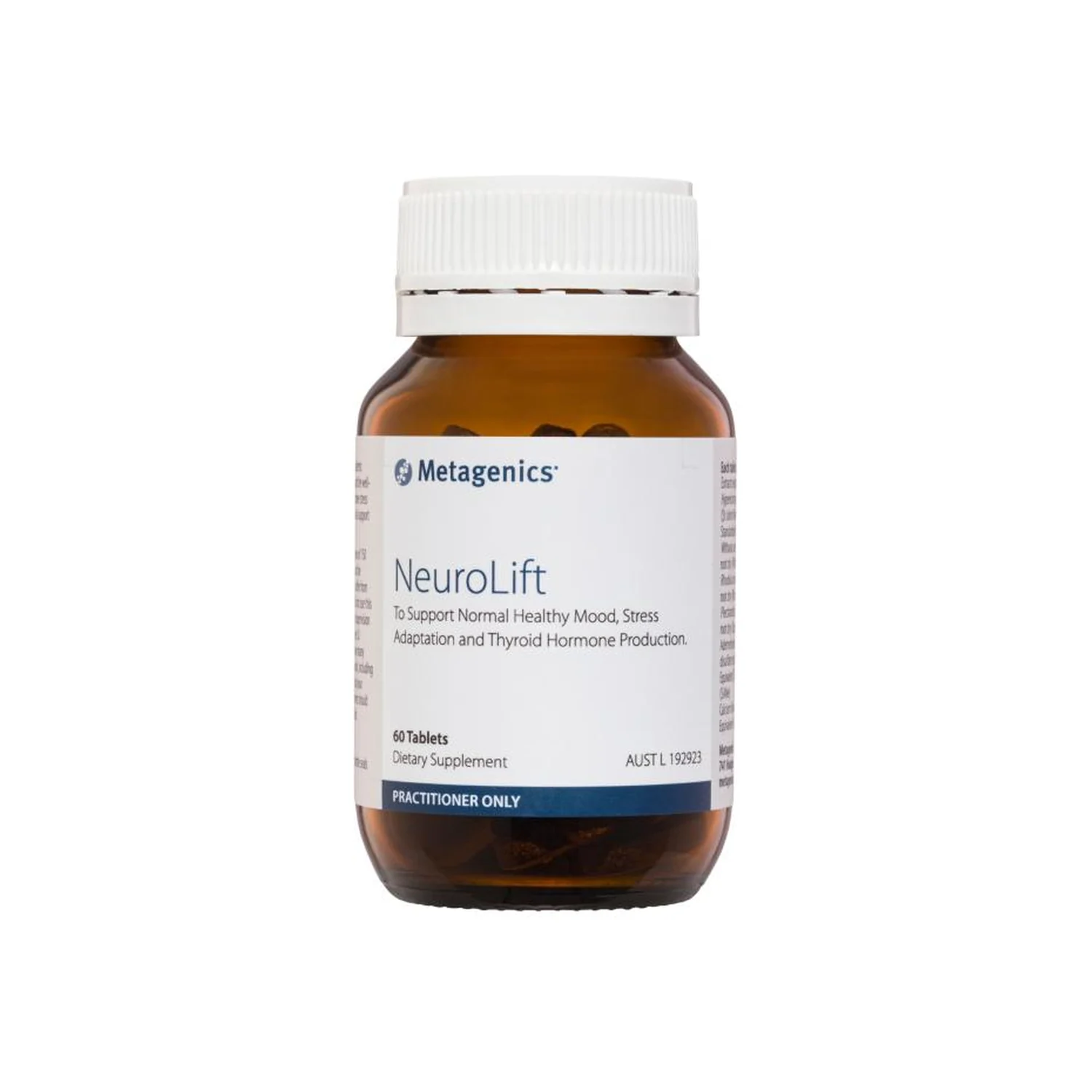
If you have spent any time comparing the best brain supplements this year, you already know the problem: almost every bottle promises focus, memory and "clinically studied" ingredients, and almost none of them make it easy to check whether the promise is real. The category grew up on hype, and in 2026 the marketing has only got slicker. This guide is the opposite of a hype page. It gives you a repeatable way to score any product on the shelf, tells you the doses that actually appear in human research, and shows you where a transparently-labelled formula such as Neuro Lift fits once you know what to demand.
Here is the market context worth carrying with you. Herbal and botanical extracts are projected to make up roughly three-quarters of the brain-health supplement market by the end of 2026, which means most of what you will compare is plant-based rather than synthetic. That is broadly good news, but it raises the stakes on standardisation and dosing, because a botanical is only as good as the amount and the extract ratio behind it. The rest of this guide turns that into a checklist.
What separates the best brain supplements from filler-heavy products
Strip away the packaging and every product in this category lives or dies on four properties. Learn them once and you can rank a shelf faster than any review site.
1. Ingredient transparency. The single most important line on the label is not an ingredient at all — it is whether each ingredient has its own stated amount. A "proprietary blend" is a legal way to declare a total weight without telling you the split between actives, and it is used far more often to conceal a thin dose than to protect a recipe. If a product lists "Focus Blend 750 mg" and then names eight ingredients underneath, you have no idea whether the effective one is present at study strength or as a sprinkle of dust for the label. Put those products at the bottom of the pile.
2. Effective doses. Transparency is worthless if the disclosed amount is too small to do anything. The amounts that appear in published human work are surprisingly specific, and we list them in the next section. The test is simple: does the per-serving amount match the range used in the studies the brand is citing? Very often it does not, which is why an itemised panel matters more than a citation list.
3. Third-party testing. A supplement is regulated as a food rather than as a medicine, and it is one of the few things you buy where you cannot see the contents. Independent lot testing, a certificate of analysis you can request, or a recognised seal such as NSF or USP is how you close that gap. Manufacturing under GMP in an FDA-registered facility is a reasonable baseline, but it certifies the process, not the finished bottle in your hand.
4. Stimulant-free options. Plenty of "brain" products lean on caffeine for their entire effect, which fades as tolerance builds and wrecks sleep if taken late. A quality range gives you a genuine non-stimulant choice. If that matters to you, our guide to choosing a caffeine-free brain supplement and spotting hidden stimulants on the label walks through the botanical names that carry caffeine even when the front says "stim-free".
The ingredients that actually work — and the doses that matter
Here is the honest hierarchy, from strongest evidence to weakest, with the amounts that appear in human trials rather than the amounts that fit a marketing budget.
Correcting a real shortfall is the strongest play of all. Iodine and selenium are required for normal thyroid hormone production, and thyroid hormone sets much of your baseline mental pace. Vitamin B12, vitamin D and iron each have well-documented links to fatigue and poor concentration when you are genuinely low. None of these does anything noticeable if your levels are already fine — the caveat nobody prints on a carton — but for a lot of tired people, this unglamorous category outperforms every exotic botanical.
Citicoline (250–500 mg). Citicoline supplies choline, the raw material for the neurotransmitter acetylcholine. Short human trials in healthy adults have reported modest attention benefits in this dose range, and the chemistry is well understood. It is one of the more defensible "active" ingredients when it is present at a real amount rather than a token one.
Bacopa monnieri (about 300 mg standardised to 55% bacosides). Bacopa has one of the longer research histories in the category, but its memory findings usually require eight to twelve weeks of daily use, and the studied dose is specific. A label that lists bacopa without a bacoside standardisation, or at a fraction of 300 mg, is citing the research without matching it.
Lion's mane (1,000–2,000 mg). Lion's mane is the botanical of the moment, and early human work is interesting, but the doses in those studies sit in the gram range, not the milligram range. A capsule promising lion's mane "at clinical strength" alongside seven other ingredients in one small pill is arithmetically unlikely to reach the studied amount.
L-theanine and creatine monohydrate. L-theanine is a genuinely non-stimulant amino acid studied for relaxed alertness, and one of the few ingredients whose effect many people notice within an hour. Creatine is the most under-rated option here; its cognitive effects appear largest under sleep deprivation or in people who eat little meat, which describes a lot of this audience.
One boundary that applies to every item on this list: no supplement prevents, treats or reverses dementia or any other disease, and benefits build slowly with consistent daily use alongside sleep, exercise and diet. Any page that promises otherwise is selling something. For the wider picture of how this category is defined and where the realistic expectations sit, our explainer on what nootropic supplements are and the benefits you can reasonably expect is the natural companion to this buyer's guide.
How to score a product in sixty seconds
Turn any bottle over and work down the panel in this order. First, scan for the words "proprietary blend" and treat them as a stop sign. Second, check that each active carries its own amount and that botanicals carry a Latin name and a standardisation. Third, hold those amounts against the study ranges above — is the citicoline near 250–500 mg, is the bacopa near 300 mg at 55% bacosides? Fourth, check the serving size is physically plausible; a single 500 mg capsule cannot hold gram-scale doses of five ingredients. Fifth, look for a testing claim you could actually verify with a certificate of analysis.
A product that passes all five is rare, which is the point. The filter is supposed to be strict, because most of the field is built to survive a glance and not a reading.
A quick scoring rubric
| What you check | Green flag | Red flag |
|---|---|---|
| Dosing | Every active listed with its own mg/mcg amount | "Proprietary blend" totals only |
| Botanical quality | Latin name, plant part and standardisation shown | "Bacopa 100 mg" with no bacoside % |
| Effective amount | Doses match published human ranges | Token amounts far below study doses |
| Testing | Lot certificate of analysis or NSF/USP seal | "Lab tested" with nothing to show |
| Stimulants | Genuine caffeine-free option available | Effect depends entirely on caffeine |
| Value | $47–69/month, bulk cuts cost per dose 15–30% | Cheap because the doses are hidden |
Want to see what a fully-itemised label looks like?
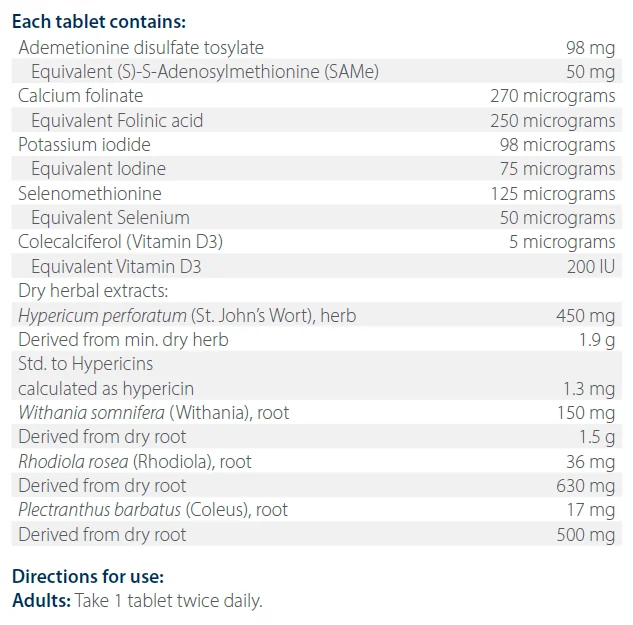
Neuro Lift is a twice-daily formula that names every active — SAMe, folinic acid, iodine, selenium and standardised botanicals — with no proprietary blend and no caffeine source. It is a useful reference point for the scoring rubric above. Check the current panel and pricing before you compare it to anything else.
Check Availability & PricingAnswering the three objections shoppers raise
"Aren't the expensive ones just marketing?" Sometimes, but price on its own tells you nothing. Most quality daily formulas land between forty-seven and sixty-nine dollars a month, and the honest way to compare them is cost per effective dose, not sticker price. A twelve-dollar bottle whose actives are buried in a proprietary blend is not cheap — it is unmeasurable. A mid-priced product that itemises everything lets you calculate exactly what you are paying per milligram of the ingredient you actually care about. Buying in bulk or on subscribe typically trims fifteen to thirty per cent off the per-dose cost, which usually matters more than the headline price.
"Don't they all contain the same stuff anyway?" No, and the differences are the whole game. Two products can both list "bacopa" and deliver wildly different amounts of the active bacosides depending on the standardisation. Two can both say "lion's mane" while one reaches the studied gram-scale dose and the other includes a token hundred milligrams. The ingredient name is the start of the question, not the answer; the amount and the standardisation are the answer.
"Isn't a bigger ingredient list better?" Usually the reverse. A label boasting twenty ingredients in one small capsule is telling you that most of them are present in amounts too small to matter, because there is only so much physical room in a pill. A shorter list at real doses beats a "kitchen sink" formula every time, though the opposite extreme has its own problem, which is why we weigh Neuriva against broader alternatives on what two ingredients can and cannot cover. When you compare the best brain supplements side by side, count the ingredients that hit their study dose, not the ingredients on the label.
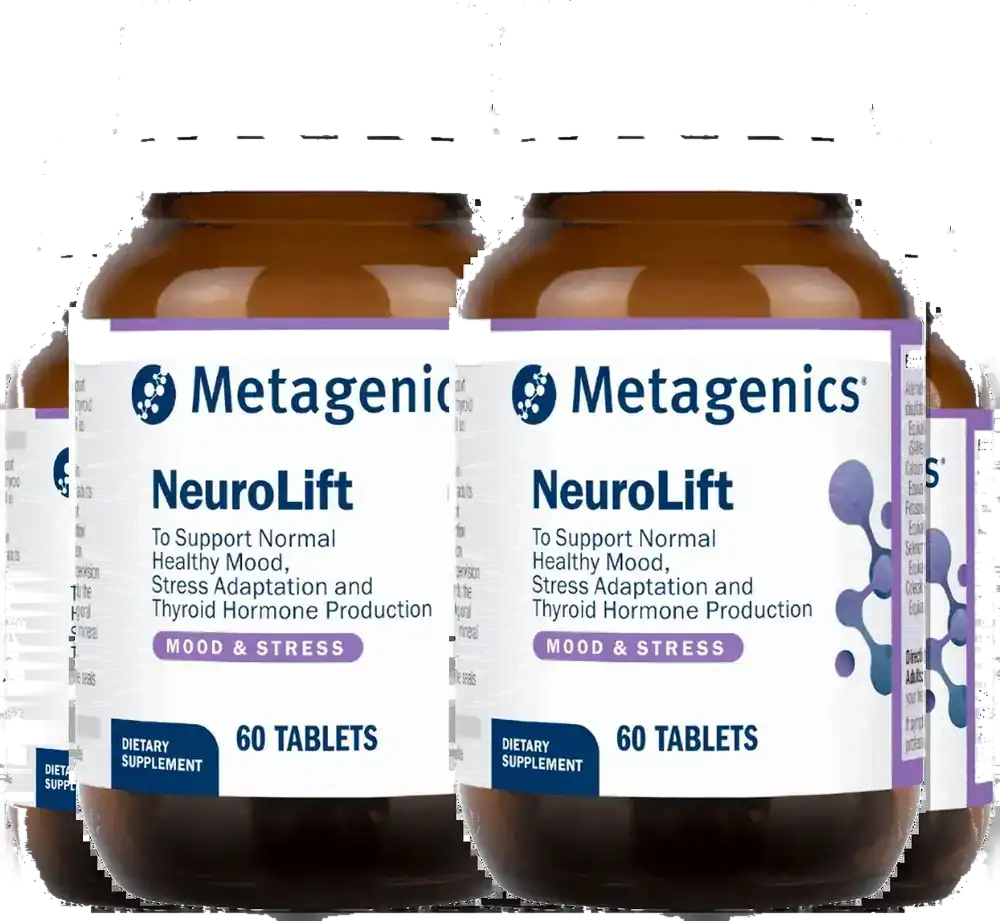
The front of a supplement box is written by a marketing team. The ingredient panel is written by a regulatory team. When you are choosing the best brain supplements, only one of those two is legally accountable for being accurate.
Where Neuro Lift fits in the 2026 field
We publish independently and we are an affiliate, so treat this as a worked example rather than a coronation. Run Neuro Lift through the same rubric you would run any product through. It is a twice-daily tablet built around SAMe, folinic acid, iodine and selenium plus standardised botanicals including St John's Wort, Withania (ashwagandha) and Rhodiola. Every active is named with its own amount, there is no proprietary blend, and there is no caffeine-bearing plant anywhere on the list, which makes it a genuine stimulant-free option for people who want one. It is manufactured under GMP.
What Neuro Lift is not is a citicoline-and-lion's-mane stack, so if those specific ingredients are your priority, you would look elsewhere or add them separately. That is exactly the kind of honest matching this guide is meant to enable: decide which ingredients you want at study doses, then find the transparently-labelled product that delivers them. The point of the rubric is that it works the same way on every bottle, including this one. If you want to read the full Neuro Lift ingredient breakdown before you decide, the homepage lists each amount.
Medical note: this article is general information, not medical advice. Some botanical ingredients, St John's Wort in particular, interact with prescription medicines including the contraceptive pill and antidepressants. Speak to a doctor or pharmacist before starting any supplement, and especially if you are pregnant, nursing, taking medication or managing a health condition. No supplement diagnoses, treats, cures or prevents any disease.
Scientific references
- NIH Office of Dietary Supplements — nutrient and ingredient fact sheets
- NIH NCCIH — Dietary and Herbal Supplements
- U.S. FDA — Dietary Supplements overview and GMP
- McGlade E. et al. (2019) — The Effect of Citicoline Supplementation on Motor Speed and Attention in Adolescent Males, Journal of Attention Disorders
- Kongkeaw C. et al. (2014) — Meta-analysis of randomized controlled trials on cognitive effects of Bacopa monnieri extract, Journal of Ethnopharmacology
Related reading
Compare it against your own checklist
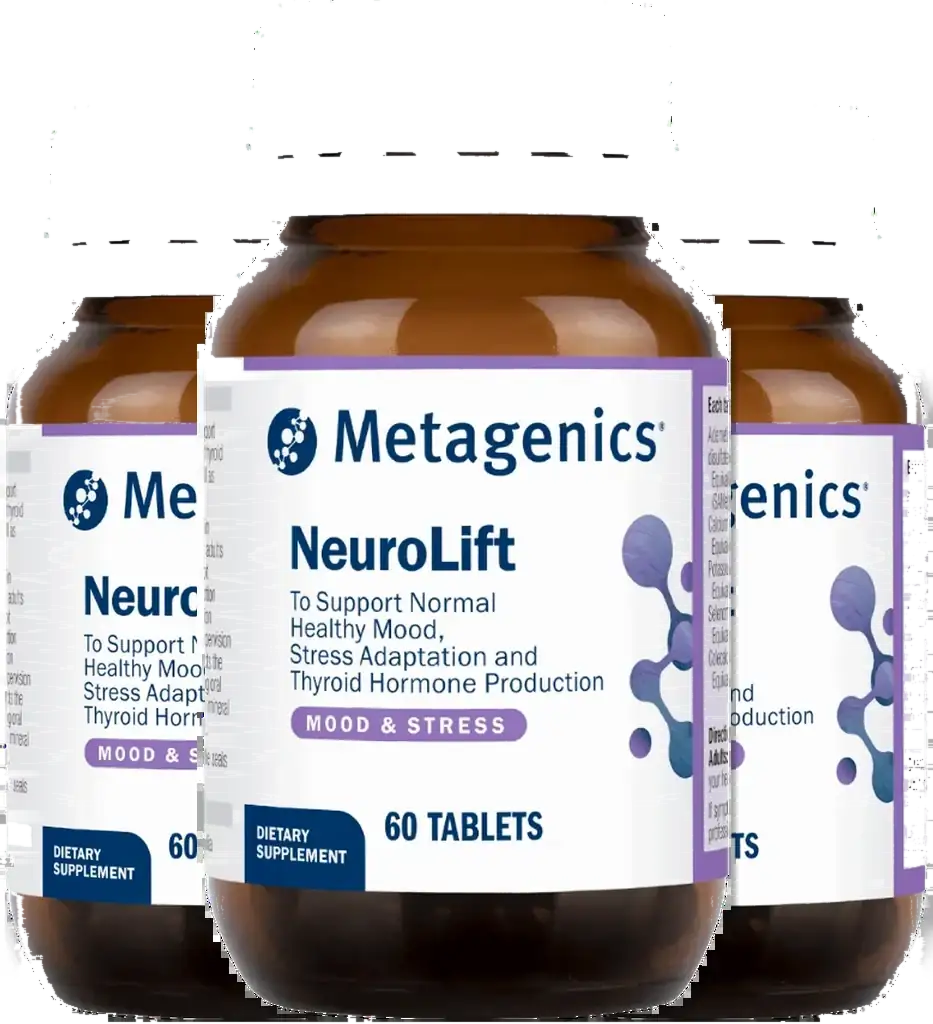
SAMe, folinic acid, iodine, selenium and standardised botanicals in a twice-daily tablet — every ingredient itemised, no proprietary blend, no caffeine source. See the current pricing and the full panel on the official store.
See Availability on the Official Store