Omega-3 DHA for Brain Health: A Practical Dosage Guide
Quick Answer: What Is the Best Omega-3 Dosage for the Brain?
For omega 3 brain health, a sensible daily target is around 1,000mg or more of combined EPA and DHA from a quality fish or algal oil, taken with a meal that contains fat. DHA is the main structural omega-3 in the brain, so make sure a meaningful share of that total is DHA. Omega-3 is a foundation nutrient that supports normal brain structure, not a stimulant or a cure.
- Target: ~1,000mg+ combined EPA and DHA daily, with food.
- DHA: the structural omega-3; prioritise it for general brain support.
- Read the back panel: the EPA and DHA numbers, not the "fish oil" total.

Most brain ingredients are trying to do something to your neurons. Omega-3 is different, because it is partly what your neurons are made of. When people search for omega 3 brain health, which they do to the tune of thousands of times a month, they are usually circling one practical question: how much, and in what form? This guide answers that directly. It explains the different jobs EPA and DHA do, sets a realistic dosage, covers food versus supplements, and clears up the most common confusions, before showing where a well-formulated DHA fits into a complete cognitive foundation rather than being treated as a magic bullet.
Why omega-3 and brain health are so tightly linked
Your brain is roughly sixty per cent fat by dry weight, and a specific omega-3 called DHA (docosahexaenoic acid) is one of the most abundant fatty acids woven into the membranes of your brain cells. That is not a metaphor. DHA is a physical structural component of the membranes where neurons send and receive signals, which is why it is described as a building block rather than an additive. Membranes rich in DHA are more fluid and flexible, and that flexibility matters for how efficiently cells communicate. This structural role is the reason omega-3 keeps its place in serious discussions of long-term brain support while flashier ingredients come and go.
There are two long-chain omega-3s that do this work in the body: DHA and EPA (eicosapentaenoic acid). They come packaged together in fish and fish oil, they are related, and they are constantly confused, so it is worth pulling them apart properly, because the difference changes what dose you should look for.
EPA vs DHA: two omega-3s, two different jobs
The single most useful thing to understand in this whole topic is that EPA and DHA are not interchangeable. Treating "omega-3" as one undifferentiated thing is how people end up with a product that is wrong for their goal.
DHA is the structural one. It is the omega-3 that is physically built into brain cell membranes, and it is the one most associated with the brain-building, structure-and-function role. If your interest is general cognitive and structural support, or brain health across the lifespan, DHA is the fatty acid you want to make sure is well represented in the dose.
EPA is the signalling one. EPA is more involved in the body's inflammation and eicosanoid signalling, and it is the omega-3 that has been studied more heavily for mood. In that mood research, the formulations that performed better tended to be EPA-dominant, often supplying at least 60 per cent of the omega-3 as EPA at total doses of a gram or more per day. That is a specific research pattern, not a promise, and it is deliberately not a claim that omega-3 treats any mood disorder.
The takeaway is not "DHA good, EPA bad" or the reverse. It is that a blend supplying both is a reasonable default for most people, and that if you have a specific goal you should read the back panel to see the actual EPA and DHA split rather than trusting the big "fish oil 1,200mg" number on the front, which includes the other fats in the oil.
The best omega-3 dosage for the brain
There is no single official number, but a defensible, widely used target for general brain and cardiovascular support is around 1,000mg or more per day of combined EPA and DHA, from a quality fish or algal oil. A few practical rules make that dose actually count:
- Count EPA + DHA, not "fish oil." A 1,000mg fish-oil softgel might contain only 300mg of actual EPA and DHA. Add up the two active numbers on the back panel; that total is your real dose.
- Prioritise DHA for structure. For the brain-building role specifically, make sure a meaningful share of your combined total is DHA rather than a product that is almost entirely EPA.
- Take it with a fatty meal. Omega-3s are fat-soluble, so absorption improves markedly when you take them alongside a meal that contains some fat. An empty-stomach dose is partly wasted and more likely to cause fishy burps.
- Freshness matters. Rancid oil is a real problem in this category. A quality oil should not smell strongly rancid, and third-party purity testing for oxidation and contaminants is worth looking for.
Omega-3 is one of those foundation nutrients where getting the basics right beats chasing an exotic ingredient, which is the same argument we make for the simple, well-evidenced vitamins in our guide to which vitamins for memory and focus are actually worth taking.
Want DHA inside a complete, itemised foundation?
Neuro Lift is built as a cognitive foundation with every ingredient and amount printed on the panel — so you can see the DHA it supplies alongside the rest of the stack, no proprietary blend hiding the numbers. See the current line-up and availability.
Check Availability & PricingCan you get enough omega-3 from food alone?
Yes, and for many people food is the best route. The richest sources of ready-made EPA and DHA are fatty fish: salmon, sardines, mackerel, herring and anchovies. Eating oily fish a couple of times a week covers most people's needs without a single softgel, and it comes with protein and other nutrients attached, which is a real advantage of the food-first approach.
There is one important trap. Plant "omega-3," the kind in flax, chia and walnuts, is a shorter fatty acid called ALA, and your body converts ALA into the DHA and EPA it actually uses only inefficiently, at a low single-digit percentage in many people. So a diet high in flax and chia is not the same as a diet high in DHA. This is exactly why people who eat little or no fish, including many vegetarians and vegans, can fall short on DHA specifically, and why algal oil, an omega-3 made directly from the algae that fish get their DHA from in the first place, is such a useful vegan-friendly supplement. If you eat fish regularly, you may need nothing more; if you do not, this is the gap a supplement most sensibly fills.
Omega-3 is not the ingredient that makes a supplement exciting. It is the ingredient that makes a foundation sound. Get the fatty-acid base right first, and everything you add on top has something to work with.
Three myths about omega-3 and the brain
Myth 1: "More is always better, so megadose it." Very high omega-3 intakes are not a straightforward "more brainpower" lever, and at large doses omega-3 can thin the blood, which matters if you take blood-thinning medication or are heading for surgery. A sensible daily total taken consistently beats an enormous dose taken occasionally.
Myth 2: "Any fish oil is the same." Products differ enormously in their actual EPA and DHA content, their EPA-to-DHA ratio, their form and their freshness. Two bottles with the same "1,200mg fish oil" claim can deliver very different real doses of the active fatty acids. The back panel, not the front, is where the truth is.
Myth 3: "Omega-3 will fix my focus by tomorrow." Omega-3 is a structural, foundation nutrient. Its role is built into your cell membranes over weeks and months of adequate intake, not delivered as a same-day cognitive hit. If you want something you feel within an hour, omega-3 is not it, and any product implying otherwise is overselling. For a fuller picture of what to expect and when, our piece on what nootropic supplements are and their real benefits puts foundation nutrients like DHA in context.
Where DHA fits in a complete cognitive foundation
The most honest framing of omega-3 is as one leg of a low-risk, sensible foundation rather than a hero ingredient. A reasonable base for most people looks like this: omega-3 for structural support, vitamin B12 if you are low or eat little animal food, creatine for its broad and well-studied benefits, and magnesium L-threonate for its brain-targeted role. None of those is exotic, all of them are cheap relative to the trendier options, and together they cover a lot of ground with a favourable safety profile. It is a deliberately unglamorous list, and that is the point.
Neuro Lift is built on exactly this foundation-first logic, and its most important feature for a nutrient like DHA is transparency: every ingredient and amount is printed on the panel, so you can see how much DHA the formula supplies and add up your total across diet and supplement rather than guessing. That matters more than it sounds, because DHA is precisely the kind of ingredient a proprietary blend loves to bury, listing "omega-3 complex" with no split between the structural DHA and the cheaper fats. A fully itemised label lets you verify the DHA dose before you buy, which is the only way to know whether a foundation product is actually building on solid ground. Pair a disclosed DHA dose with a couple of servings of fatty fish a week, take it with food, protect your sleep, and you have done the boring, effective ninety per cent of omega-3 and brain health that the exciting marketing skips.
Medical note: this article is general information, not medical advice. Omega-3 at higher doses can have a blood-thinning effect, which matters if you take anticoagulant medication or are planning surgery. Speak to a doctor or pharmacist before starting any supplement, and especially if you are pregnant, nursing, taking medication or managing a health condition. Nothing here is intended to diagnose, treat, cure or prevent any disease.
Scientific references
- NIH Office of Dietary Supplements — Omega-3 Fatty Acids fact sheet
- NIH NCCIH — Omega-3 Supplements: In Depth
- American Heart Association — Fish and Omega-3 Fatty Acids
- Harvard T.H. Chan School of Public Health — Omega-3 Fatty Acids
- Yurko-Mauro K. et al. (2015) — Docosahexaenoic acid and adult memory: a systematic review and meta-analysis, PLoS ONE
Related reading
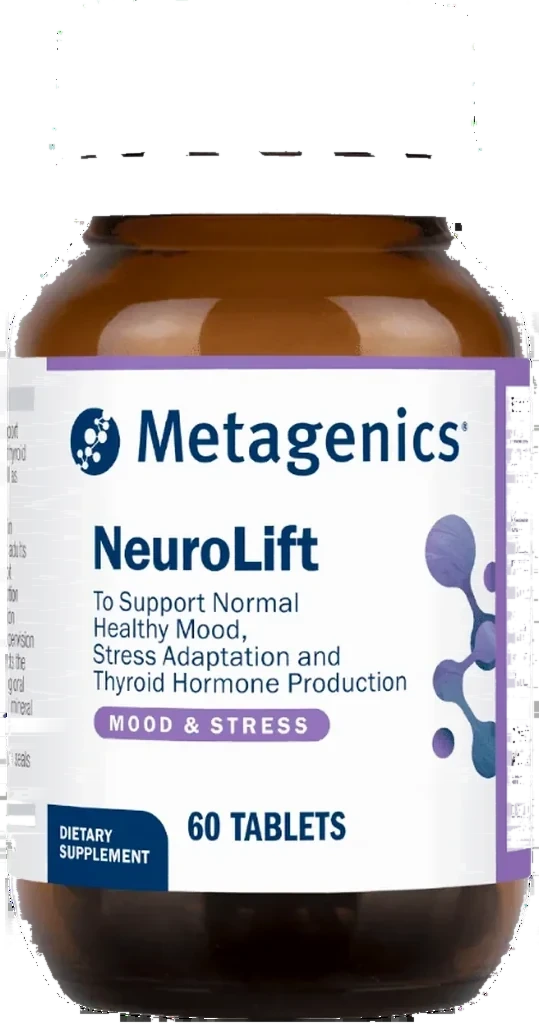
See the DHA dose on a foundation that hides nothing
If a disclosed, foundation-first formula is what you want, start where the numbers are printed. Read the Neuro Lift ingredient breakdown, then check current availability on the official store.
See Availability on the Official Store