How Long Do Nootropics Take to Work? A Realistic Timeline by Ingredient
How long do nootropics take to work?
How long nootropics take to work depends on the ingredient: L-theanine and caffeine can be felt within an hour, B vitamins and magnesium L-threonate over three to seven days, while bacopa monnieri and lion's mane build across two to eight weeks. Consistency matters far more than a bigger single dose.
- Fast-acting: L-theanine and caffeine, felt within hours.
- Cumulative: bacopa and lion's mane, building over 2–8 weeks.
- Rule of thumb: consistency beats dose stacking; pair with sleep, exercise and diet.

You bought the bottle, you took the capsules for three days, and nothing obvious has changed — so you are asking the only question that really matters: how long do nootropics take to work? It is one of the most common things people search before they quietly give up on a brain supplement, and almost always they give up a week or two too early. The honest answer is that there is no single answer. Some nootropic ingredients you can feel by lunchtime; others are gradually shifting your baseline over a month and only reveal themselves once you look back at how a typical week has gone.
This guide maps the real onset of the ingredients you are most likely to have in your bottle, sets expectations that match the science instead of the marketing, and explains why consistency does more work than any clever dose-stacking trick. We publish this site as an affiliate for Neuro Lift, a daily nootropic formula, and we will say so plainly wherever it is relevant — but the timeline below is true no matter which product is on your shelf.
The short answer: how long nootropics take to work depends on the ingredient
The single biggest mistake is treating "nootropics" as one thing with one onset. A finished formula is usually a blend of ingredients that operate on completely different clocks. In practice they fall into three tiers. There are the fast-acting ingredients you can notice within an hour, the mid-tier nutrients that need three to seven days to build, and the slow-burn botanicals that take two to eight weeks to reach their real effect. When people say a supplement "didn't work," they are almost always judging a slow-burn ingredient on a fast-acting timeline. That is like planting a seed on Monday and digging it up on Wednesday to check why there is no tree.
Tier one: fast-acting nootropics you can feel the same day
Some ingredients produce an acute, noticeable effect, usually within thirty to sixty minutes. L-theanine, the amino acid found in green tea, is the classic example: on its own it produces a calm, unhurried alertness, and paired with caffeine it smooths out the jittery edge of a stimulant while keeping the focus. That combination is one of the few nootropic effects that is genuinely felt on day one, which is exactly why it is so heavily marketed.
Citicoline and L-tyrosine can also give some people a same-day lift in focus or mental stamina, particularly under stress or sleep debt. But keep the size of these effects honest. Fast does not mean powerful. A same-day ingredient gives you a subtle, useful nudge, not a transformation, and its effect does not compound the way the slower ingredients do. Feeling something on the first day tells you the capsule is being absorbed and you are not one of the non-responders — it does not mean the whole formula has finished its job, because the cumulative ingredients sitting in the same capsule are still weeks away from their peak.
Tier two: the three-to-seven-day nutrients
The middle tier is where several everyday nutrients live. B vitamins — especially B6, B12 and folate — support the energy metabolism your neurons run on, and if you were running low, topping them up can lift mental energy and clarity over the course of roughly three to seven days. Magnesium, and in particular the brain-targeted form magnesium L-threonate, tends to show up on a similar timeline, often first as steadier sleep and a calmer baseline before you notice anything about focus.
These are not stimulant effects and they are easy to miss because they arrive as an absence: slightly less afternoon fog, slightly less wired-but-tired at night. The honest way to catch them is to keep a simple one-line note on energy and focus each day for the first fortnight, because week-two-you is a far more reliable judge than day-three-you, who is impatient and looking for fireworks that were never on the menu.
Tier three: the slow burn — bacopa, lion's mane and the two-to-eight-week ingredients
This is the tier that decides whether you keep a product or bin it, and it is the one people understand least. Bacopa monnieri is one of the better-evidenced memory ingredients in the whole category, but its effect is measured in human trials over 8 to 12 weeks, not days. You typically start to notice something around the two-to-four-week mark, with more of the memory and recall benefit appearing between four and eight weeks of daily use. Lion's mane mushroom follows a similar slow arc, building over several weeks rather than delivering a jolt.
The reason matters. These ingredients are not topping up a nutrient you were short of; they are nudging slower biological processes that simply take time to express themselves. If you want the ingredient-level detail on that memory curve, our explainer on the bacopa monnieri memory benefits timeline walks through what changes week by week, and our overview of lion's mane mushroom brain benefits covers where the human evidence is strong and where it is still thin.
A realistic onset table by ingredient
| Ingredient | First noticeable effect | Nearer full effect | What it feels like |
|---|---|---|---|
| L-theanine + caffeine | 30–60 minutes | Same day | Calm, focused alertness |
| Citicoline | Hours to a few days | 2–4 weeks | Attention and mental stamina |
| B vitamins | 3–7 days | 2–4 weeks | Mental energy, less fog |
| Magnesium L-threonate | 3–7 days | 3–4 weeks | Calmer baseline, better sleep |
| Bacopa monnieri | 2–4 weeks | 8–12 weeks | Memory and recall |
| Lion's mane | 2–4 weeks | 8+ weeks | Clarity, subtle processing |
Read the table as a spread, not a promise. Individual response varies, some people are non-responders to a given ingredient, and a formula that hides its amounts in a proprietary blend can under-deliver on every row. But the shape is reliable: fast ingredients up front, the real memory work at the back end of a month or two.
Want a formula built to be taken every day, for the long game?
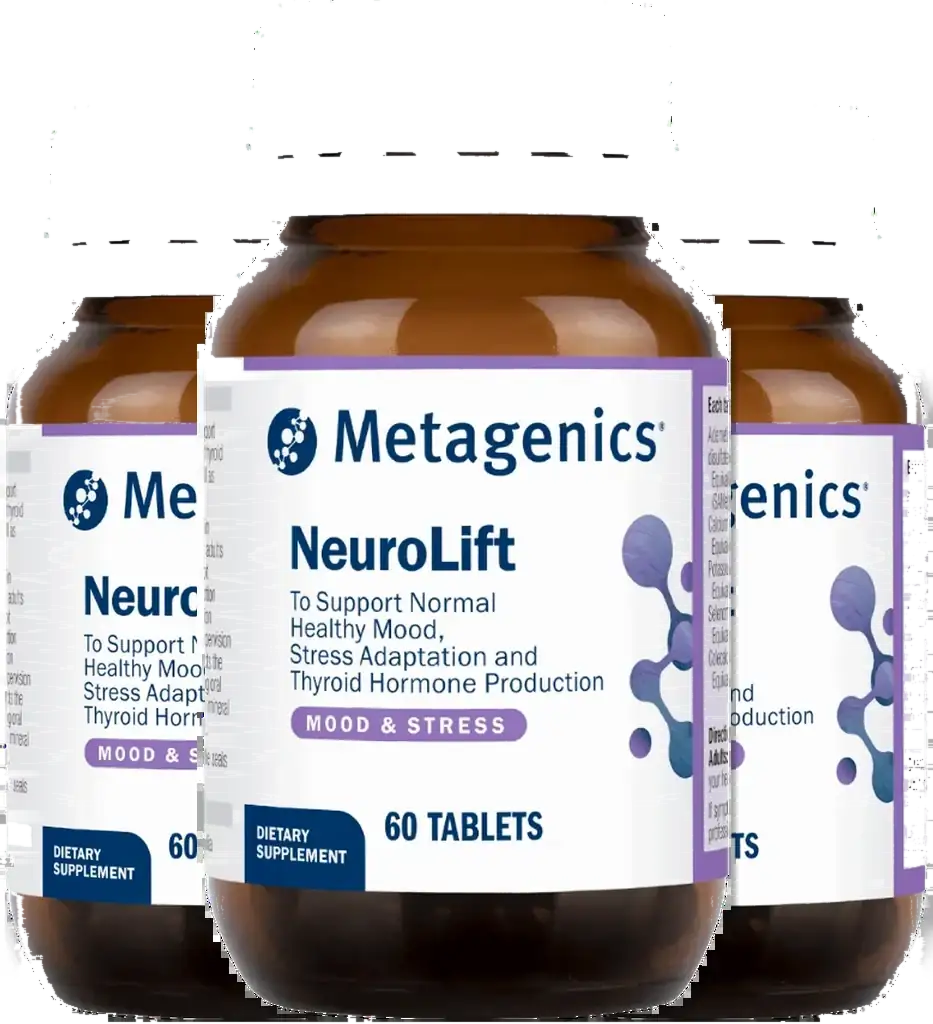
The cumulative ingredients only work if you actually take them consistently. Neuro Lift is a once-daily nootropic with every amount printed on the panel — no proprietary blends to hide under-dosing — so you can judge it fairly over a full four-to-eight-week window instead of guessing. See exactly what is in each serving before you decide.
Check Availability & PricingWhy consistency beats dose stacking
Once people learn that some ingredients build slowly, the tempting next move is to speed things up by taking more. This almost never works, and with several ingredients it backfires. The cumulative nootropics reach their effect by holding a steady level in your system day after day; a double dose on Tuesday followed by a skipped Wednesday is worse than a single, boring, consistent dose every morning. You cannot cram a month of bacopa into a weekend any more than you can cram a month of gym into one session.
There is also a ceiling. Above the doses used in the research, most nootropic ingredients give you nothing extra except a higher chance of side effects — bacopa, for instance, can cause stomach upset at higher amounts. The winning strategy is deeply unglamorous: take the studied dose, take it every single day, take it with food where the label says to, and give it the full window. Consistency is the active ingredient that no bottle can supply for you.
Three reasons you might not feel your nootropic yet
"I've taken it a week and I feel nothing"
This is the single most common complaint, and most of the time it is not a product failure — it is a timing mismatch. If the formula leans on bacopa, lion's mane or citicoline for its main benefit, one week is simply too early; those ingredients are still climbing. The fix is not a new bottle, it is patience plus a way to measure small changes, because a subtle improvement in focus is invisible from inside your own head unless you are tracking it. Judge the product at four to eight weeks, not at day seven.
"Maybe I just need a bigger dose"
Usually not. If you are already taking the amount used in the studies, more rarely adds benefit and often adds side effects. A far more likely culprit is the opposite problem: the formula is under-dosed to begin with, hiding trace amounts inside a proprietary blend so the label looks impressive without paying for real doses. That is a formulation problem you cannot out-swallow. The answer is to check whether every ingredient is disclosed at a study-level amount, not to keep escalating your own dose.
"It worked at first, then it stopped"
What often happens here is that the fast-acting part — the caffeine or theanine lift — was doing the early lifting, and your body adjusted to it, while you had not yet given the cumulative ingredients time to take over. It can feel like the product "stopped working" when really the first act ended before the second act began. Stay consistent through the dip and the slower ingredients tend to fill the gap. If it genuinely does nothing after a full eight weeks of daily, correctly-dosed use, then it is fair to move on.
How to feel results faster (the unglamorous accelerators)
The fastest way to feel a nootropic is to give it something to build on, and that means the boring foundations do most of the heavy lifting. Sleep is first, because a single short night blunts attention and memory more than any capsule can restore; a supplement working on top of five hours of sleep has almost nowhere to show up. Regular exercise raises the same signalling molecules that many nootropics only nudge, so a brisk daily walk quietly multiplies whatever the formula is doing.
Diet is the third lever. A broadly Mediterranean-style pattern — oily fish, olive oil, vegetables, nuts, whole grains, less ultra-processed food — supports brain structure and steady energy, and it is the backdrop against which a supplement's subtle effect becomes noticeable rather than lost in noise. If your nutrition, movement and sleep are already decent, a well-dosed nootropic has room to add a real, if modest, edge on top. If they are not, fix those first; they will out-perform any bottle, and they cost nothing.
Put simply, the honest timeline is: feel the fast ingredients within hours, notice the nutrient tier within a week, and reserve judgement on the whole formula until you have held a consistent daily routine for four to eight weeks — with sleep, movement and diet pulling in the same direction.
Medical note: this article is general information, not medical advice. Nootropics and brain supplements are foods, not treatments, and none of them diagnose, treat, cure or prevent any disease. Speak to a doctor or pharmacist before starting any supplement, especially if you are pregnant, nursing, taking medication or managing a health condition.
Scientific references
- NIH NCCIH — Herbs at a Glance
- NIH Office of Dietary Supplements — Dietary Supplement Fact Sheets
- Kongkeaw C. et al. (2014) — Meta-analysis of randomized controlled trials on cognitive effects of Bacopa monnieri extract, Journal of Ethnopharmacology
- Kahathuduwa C.N. et al. (2018) — l-Theanine and caffeine improve target-specific attention to visual stimuli by decreasing mind wandering, Nutrition Research
- US Federal Trade Commission — Health Products Compliance Guidance
Related reading
Give a daily nootropic the full window it needs
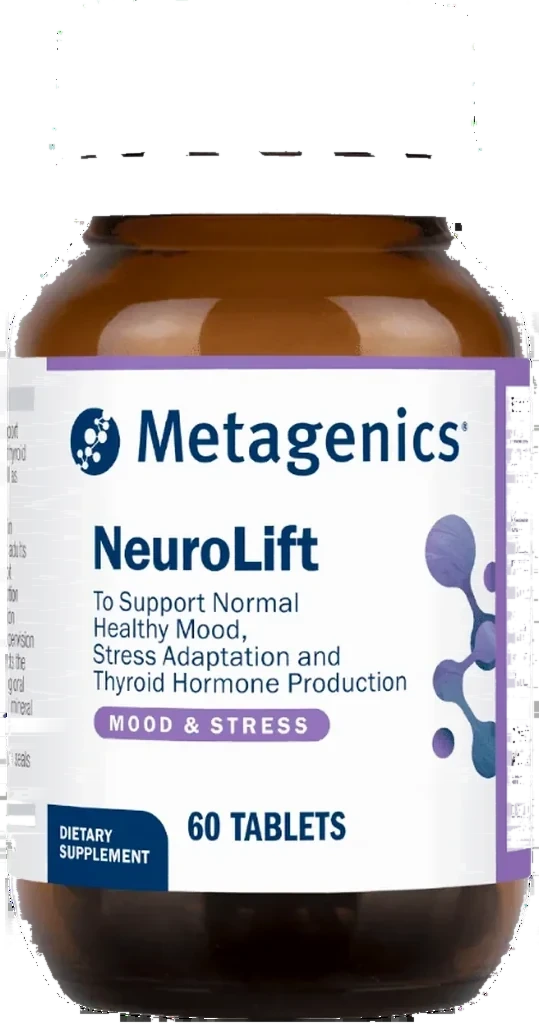
If this timeline convinced you that consistency is the real trick, start with a formula that is dosed to be taken every day and prints every amount. Read the full Neuro Lift ingredient breakdown, then check current availability on the official store.
See Availability on the Official Store