Vitamins for Memory & Focus: Which to Choose (and Which Are Hype)
Which vitamins are best for memory and focus?
The best-supported vitamins for memory and focus are the B-complex group, especially B6, B12 and folate, plus vitamin D, with omega-3 DHA supporting brain structure alongside them. The honest catch is that they mainly help when they correct a genuine deficiency; if your levels are already fine, a single vitamin rarely sharpens a healthy brain on its own.
- B-complex: supports the energy metabolism neurons run on.
- Vitamin D and omega-3 DHA: support overall brain health and structure.
- Rule of thumb: test, don't guess — single vitamins fix shortfalls, complete formulas do more.
Roughly five to seven thousand people search for "vitamins for memory" every month, and the related terms for memory and focus vitamins add thousands more. That much demand guarantees a matching wall of supply, and not all of it is honest. So the real question is not whether vitamins for memory exist — they do, and some genuinely help — but which ones earn their place, which are quietly riding the marketing wave, and when you are better served by a complete formula than a shelf of single bottles. This guide sorts the evidence from the hype so you can spend on the nutrients that actually move the needle.
We publish this site as an affiliate for Neuro Lift, a combined nootropic formula, and we will flag that whenever it is relevant. But the framework below works no matter what ends up in your cabinet, and part of being useful is telling you when a plain, cheap single vitamin is the smarter buy.
The vitamins that genuinely support memory and focus
Start with the group that has the clearest link to how your brain runs day to day: the B-complex vitamins. B6, B12 and folate are central to energy metabolism and to keeping levels of an amino acid called homocysteine in check, and a real shortfall in any of them can show up as brain fog, low mood and flagging mental energy. B12 deficiency in particular is common in older adults, vegetarians and vegans, and people on certain medications, and correcting it can produce a noticeable lift in clarity. That is the honest heart of the "vitamins for memory" story: the benefit is largest when you were genuinely low to begin with.
Vitamin D is the second name worth knowing. It behaves more like a hormone than a simple vitamin, receptors for it sit throughout the brain, and deficiency is strikingly widespread, especially in winter and in anyone who spends most of their day indoors. It supports overall brain health and mood, and because so many people are low, it is one of the few single vitamins where testing and topping up has a good chance of doing something you can feel.
Omega-3 fatty acids round out the trio, and technically they are fats rather than vitamins, but they are grouped with brain nutrients so often it would be odd to leave them out. DHA is a structural building block of brain cell membranes, and diets low in oily fish tend to be low in it. If you want the dosing detail on that one, our dedicated guide to omega-3 DHA for brain health and the dose that matters covers how much DHA the research actually uses and how to read a fish-oil label.
It is worth understanding why the B vitamins keep coming up, because it is not marketing folklore. B6, B12 and folate work together to recycle homocysteine, and when they run short, homocysteine can drift upward — a pattern researchers have repeatedly linked with poorer cognitive scores in older adults. That does not make a B-complex a memory pill for everyone, but it does explain why the group with the most to gain is precisely the group most likely to be low: older adults, people on acid-reducing or diabetes medication, and anyone eating little or no animal food. If you fall into one of those groups, a B-complex is one of the more defensible single vitamins on the shelf.
Where the hype takes over
Here is the part the glossy bottles leave out. For every one of these nutrients, the benefit is largely about correcting a deficiency, not adding a superpower to an already well-nourished brain. If your B12, folate and vitamin D are already in a healthy range, swallowing more of them will not turn an ordinary Tuesday into a laser-focused one. That applies at every age, which is the point of our look at the sugar and dose reality behind brain gummies for children. Water-soluble vitamins you do not need are mostly excreted; fat-soluble ones you do not need can build up and cause harm. "More" stops helping the moment you are no longer short.
The hype also lives in the implication, rarely the outright claim. A label that whispers about "brain support" and "sharper recall" is inviting you to hear a promise it never technically made. No vitamin prevents, treats or reverses dementia or age-related cognitive decline, and any product that lets you believe otherwise is overselling. Hold two ideas at once: fixing a real deficiency can genuinely help, and a vitamin cannot manufacture cognitive ability you would not otherwise have.
The most useful sentence in this whole category is boring: vitamins for memory fix a shortfall, they do not add a superpower. Test where you can, treat what is actually low, and be sceptical of anything promising a transformation from a single nutrient.
Single vitamins vs a combined formula: how to choose
This is the decision most people actually face at the shelf, and it has a clean answer. If a blood test shows you are low in one specific nutrient — say vitamin D after a long winter, or B12 on a plant-based diet — then a single, high-quality vitamin at the right dose is the precise, cheapest, best fix. Do not buy a twenty-ingredient formula to solve a one-ingredient problem. Test, treat, retest.
But most people are not correcting a documented deficiency. They want broad, everyday support for memory and focus without knowing exactly which lever is loose. That is where a combined formula earns its keep, because it layers the foundational vitamins on top of dosed nootropic ingredients — things like citicoline for choline and attention, standardised bacopa monnieri for memory over the following weeks, and lion's mane — that no single vitamin provides. If you are new to that category, our primer on what nootropic supplements are and their real benefits is a good place to understand what these ingredients do and do not do.
A quick decision table
| Your situation | Better choice | Why |
|---|---|---|
| Blood test shows a specific low (D, B12, folate) | Single vitamin, correct dose | Precise fix, cheapest, easiest to retest |
| Low oily-fish diet | Omega-3 DHA | Targets a structural nutrient you are likely short of |
| General focus & memory support, no known deficiency | Combined nootropic formula | Layers vitamins with dosed brain ingredients |
| Already take a multivitamin | Check for overlap first | Avoid double-dosing the same vitamins |
Read that as a method, not a verdict on any one brand. The recurring theme is disclosure: whatever you choose, you want every amount printed on the panel so you can see whether the vitamins are at sensible doses and the nootropic ingredients are at study-level amounts rather than hidden in a proprietary blend.
Want vitamins and dosed brain ingredients in one fully-disclosed panel?
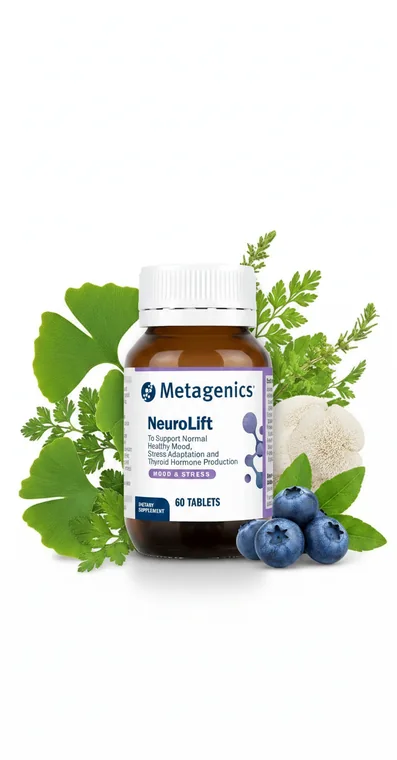
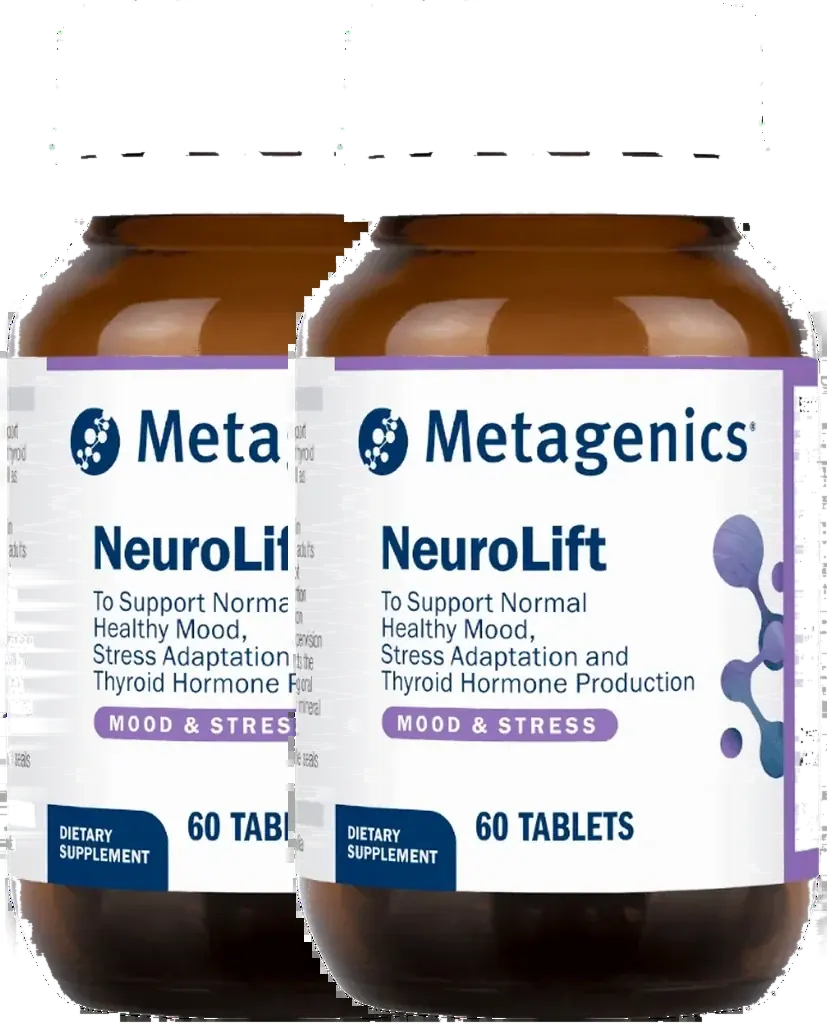
Instead of stacking three separate bottles and guessing at overlap, Neuro Lift layers foundational nutrients with botanicals aimed at mood, stress and focus — every amount itemised on the label, no proprietary blends hiding under-dosed ingredients. See exactly what each serving contains before you decide.
Check Availability & PricingThree myths worth clearing up
"If some is good, more must be better"
This is the most expensive myth in the aisle. Once you have enough of a vitamin, extra does not stack into extra benefit — it either passes straight through you or, with the fat-soluble vitamins, accumulates toward a level that can cause harm. High-dose B6 over long periods has been linked to nerve problems, and megadosing vitamin A or D without testing is a genuine risk, not a theoretical one. The goal is sufficiency, not saturation. Sensible doses, held consistently, beat heroic ones every time.
"A brain vitamin will make me smarter"
No vitamin adds cognitive ability to a well-nourished brain; it removes a limitation when one exists. The felt difference from fixing a real B12 or vitamin D deficiency can be genuine — more energy, clearer thinking, better mood — but that is the fog lifting, not raw intelligence being added. Set the expectation correctly and you will be satisfied by a real, modest improvement instead of disappointed by the absence of a miracle that was never possible.
"Food is enough, so supplements are pointless"
This overcorrects in the other direction. A varied, largely Mediterranean-style diet is the best foundation and should come first, but real people have real gaps: winter sunlight is scarce, plant-based diets are naturally low in B12, and oily fish is absent from many plates. Supplements are not a substitute for a good diet, and they are not useless either — they are a targeted top-up for the specific places your food genuinely falls short. The trick is knowing which places those are, which brings us back to testing.
How to actually decide: test, don't guess
The single most useful habit in this entire topic is to test rather than assume. A simple blood panel for vitamin D, B12 and folate turns a guessing game into a targeted plan: if something is low, you know exactly what to correct and can retest to confirm it worked; if everything is normal, you have saved yourself money and can focus on a broader formula or on the non-supplement levers instead. Guessing leads to cabinets full of half-used bottles that overlap and occasionally push a fat-soluble vitamin too high.
And keep the big levers in view, because they dwarf any capsule. Sleep, regular exercise and a broadly Mediterranean-style eating pattern do more for memory and focus than any vitamin, and they are the backdrop that makes a well-chosen supplement's effect noticeable rather than lost in the noise. If you want to see how vitamins slot into a fuller shortlist of options, our 2026 buyer's guide to the best brain supplements scores complete formulas on disclosed doses and value. Vitamins are a real, worthwhile piece of the memory-and-focus puzzle — just not the whole board.
Medical note: this article is general information, not medical advice. Vitamins and brain supplements are foods, not treatments, and none of them diagnose, treat, cure or prevent any disease. Ask a doctor or pharmacist before starting any supplement or before testing and correcting a suspected deficiency, especially if you are pregnant, nursing, taking medication or managing a health condition.
Scientific references
- NIH Office of Dietary Supplements — Dietary Supplement Fact Sheets (B12, folate, vitamin D)
- NIH National Institute on Aging — Cognitive Health and Older Adults
- NIH Office of Dietary Supplements — Vitamin B6 upper limits and nerve effects
- Yurko-Mauro K. et al. (2015) — Docosahexaenoic acid and adult memory: a systematic review and meta-analysis, PLoS ONE
- US Federal Trade Commission — Health Products Compliance Guidance
Related reading
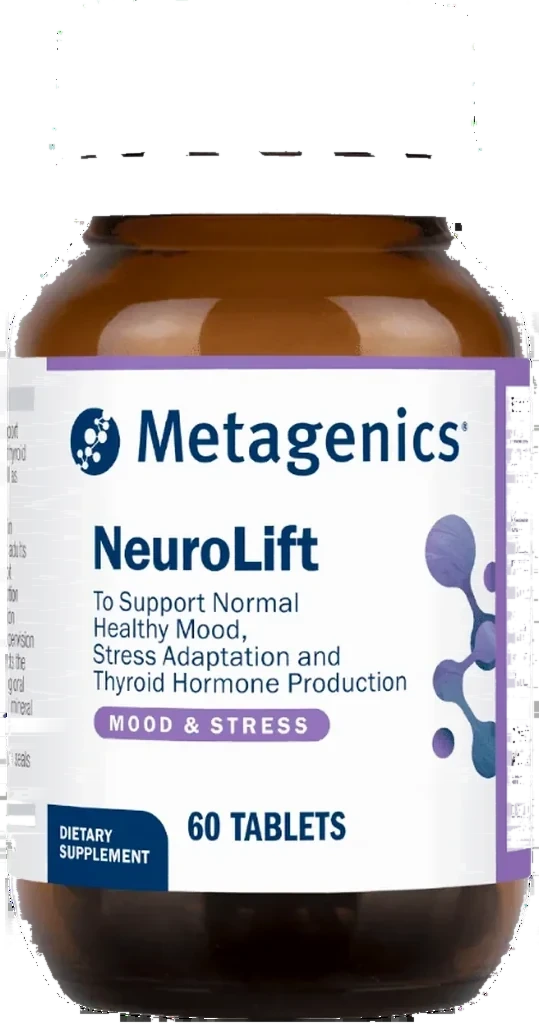
See a fully itemised memory-and-focus panel
If you would rather not manage a shelf of overlapping single vitamins, start with a formula that prints every amount. Read the full Neuro Lift ingredient breakdown, then check current availability on the official store.
See Availability on the Official Store