Nootropic Supplements: What They Are and Their Benefits
Quick Answer: What Is a Nootropic Supplement?
A nootropic supplement is a product taken to support focus, memory and mental clarity, usually built from nutrients and botanicals rather than drugs. Most work by supplying raw materials the brain already uses, correcting nutrient shortfalls, or using adaptogens to reduce the mental drag of stress. Effects are typically modest and build over weeks of consistent daily use, not minutes.
- Not magic: a nootropic supports normal function, it does not add a new one.
- Best evidence: fixing a real deficiency, plus a handful of studied botanicals.
- Honest limit: no supplement prevents dementia or replaces sleep.
The word "nootropic" draws roughly seventy-four thousand US searches a month, which tells you how many people are curious and how little most pages actually explain. So let us be clear from the first line: a nootropic supplement is a product you take to support focus, memory and mental clarity, made from nutrients, amino acids and plant extracts rather than prescription drugs. The term was coined in the 1970s from Greek roots meaning "to bend the mind", and in modern usage it has stretched to cover everything from a cup of green tea to an eighteen-ingredient capsule. This guide defines the category properly, separates the ingredients with real human evidence from the hyped ones, and sets expectations you can actually trust.
The most useful thing to understand up front is what a nootropic supplement is not. It is not a smart drug, it is not a shortcut around a bad night's sleep, and it is not a treatment for any medical condition. What a good one can do is nudge normal, healthy function in a helpful direction — and the size of that nudge depends entirely on which ingredient, at which dose, in which person.
How a nootropic supplement actually works
There is no single mechanism, which is exactly why "nootropic" is such a loose label. In practice, the supplements worth taking fall into three honest buckets.
Supplying raw materials. Your brain runs on neurotransmitters, and some of those are built from dietary building blocks. Choline, for example, is the precursor to acetylcholine, a neurotransmitter central to attention and memory. Ingredients such as citicoline and alpha-GPC are simply efficient ways to deliver choline, which is why they show up in so many formulas. If you want the detail on the forms and the doses, our companion piece on alpha-GPC, citicoline and the best choline sources for brain support goes deeper than we can here.
Correcting a shortfall. This is the least glamorous mechanism and the most reliable. If you are genuinely low in vitamin B12, iron, vitamin D or iodine, the fatigue and foggy concentration that come with that deficiency lift when you correct it. The catch, which almost no marketing page admits, is that topping up a nutrient you already have enough of does nothing noticeable. Deficiency correction is powerful precisely because it is specific.
Buffering stress. The newest and fastest-growing bucket is adaptogens — botanicals such as Withania somnifera (ashwagandha) and Rhodiola rosea that appear to blunt the physiological cost of stress. They do not sharpen a rested, calm mind so much as stop a stressed one from clouding over. Consumers are increasingly choosing adaptogens over synthetic stimulants, and the trend makes sense: stimulants add energy you pay back later, while adaptogens aim at the thing draining you in the first place.
The nootropic ingredients with the strongest evidence
Here is the honest hierarchy. Treat everything below the first item as "encouraging but modest", and treat any page that sounds more certain than this with suspicion.
Citicoline. Short human trials have reported modest attention benefits, and the choline chemistry behind it is well understood. It is among the more defensible actives when present at a real dose.
Phosphatidylserine. A phospholipid found in cell membranes, with some human data on memory in older adults. The evidence is limited but not empty.
Bacopa monnieri. A long research history and genuinely mixed results; its memory findings usually need eight to twelve weeks of daily use at a standardised dose. Real, but slow and inconsistent.
Lion's mane. Popular and interesting, with early human work at gram-scale doses. Promising rather than proven, and easy to under-dose in a crowded capsule.
L-theanine. An amino acid from tea studied for relaxed alertness, and one of the few ingredients whose subjective effect many people feel within an hour.
Rhodiola rosea. An adaptogen with small, short trials suggesting a reduction in fatigue under stress. Encouraging, not settled.
Creatine monohydrate and the B-vitamins. Two of the most under-rated names in the whole category are also two of the cheapest. Creatine is best known to gym-goers, but its cognitive effects appear largest exactly when the brain is under strain — sleep deprivation, or a diet low in meat — which describes a surprising slice of the people shopping for a nootropic. The B-vitamins, meanwhile, are quiet workhorses for energy metabolism in the brain, and a genuine shortfall of B12 or folate shows up as fog and fatigue that lifts when it is corrected. Neither ingredient is glamorous, which is precisely why the marketing tends to skip them in favour of a rarer-sounding botanical.
Notice what unites the credible list: these are staples with the strongest evidence, and every one of them works best at a specific dose over a specific timeframe. The exotic synthetic compounds that dominate certain corners of the internet — the racetams and their cousins — are a different animal, thin on human safety data and legally murky in supplement form. When we say a nootropic supplement, we mean the evidence-backed botanicals and nutrients, not those.
The realistic benefits — and what nootropics cannot do
Set expectations here and you will be a much happier customer. At their best, well-chosen nootropic supplements can support sustained attention on a task, take some of the fog off a stressed or under-slept day, and, where a deficiency exists, restore concentration that a shortfall had quietly stolen. Some people notice a subtle "smoother" quality to focus; others notice very little until they stop taking the product and realise the difference. Both experiences are normal, because the effect sizes here are modest by design.
What they cannot do is just as important. No supplement prevents, treats or reverses dementia or any other disease. None of them substitutes for sleep — every ingredient discussed here was studied against a background of normal rest, and there is no capsule that compensates for chronic short sleep. And none of them replaces treatment for a genuine medical issue: untreated anxiety, low thyroid function, iron deficiency, depression or an attention disorder are matters for a clinician and a blood test, not a search result. The honest framing is that a nootropic is a small lever, most useful when the big levers — sleep, movement, food and stress — are already being pulled.
Curious what an evidence-led daily formula looks like?
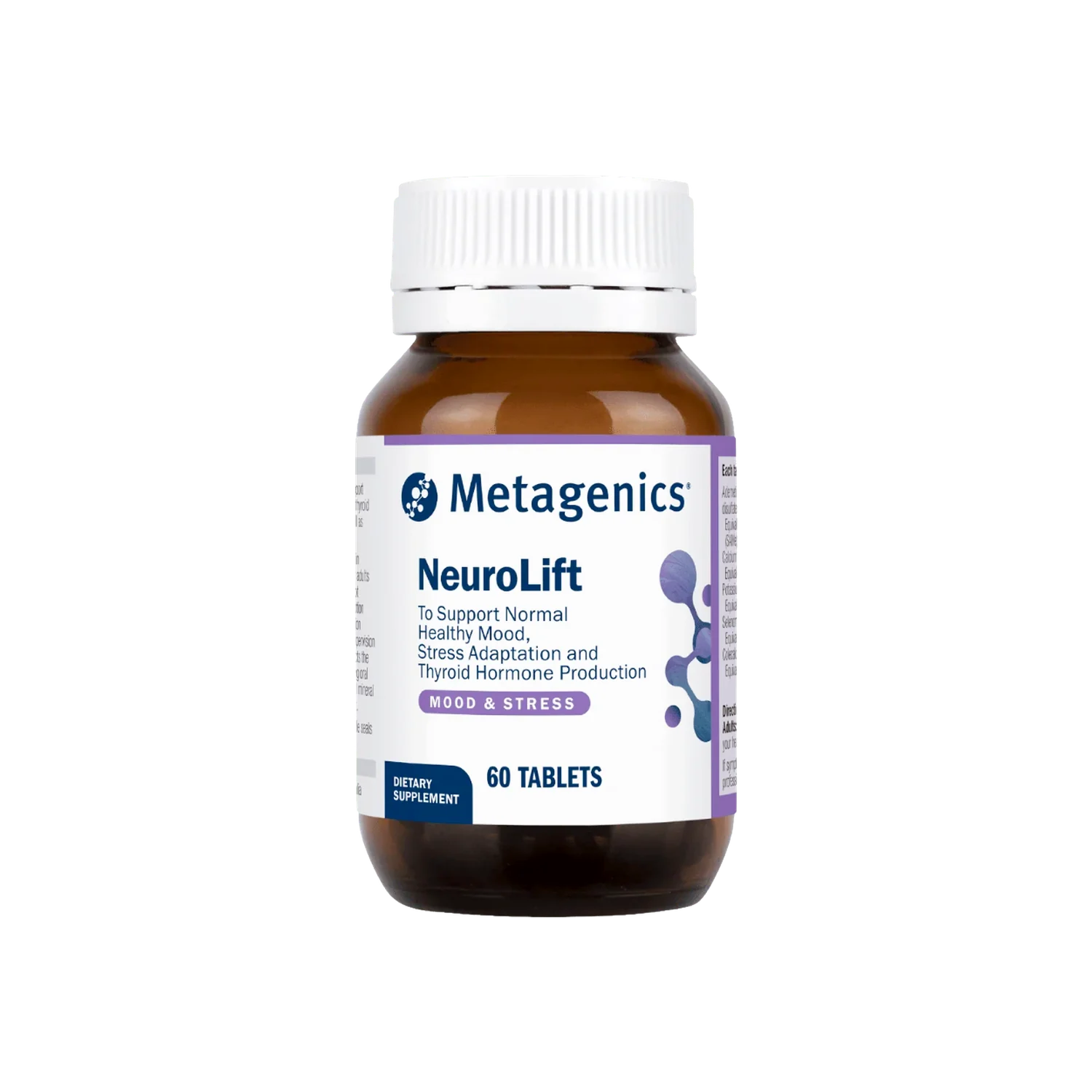
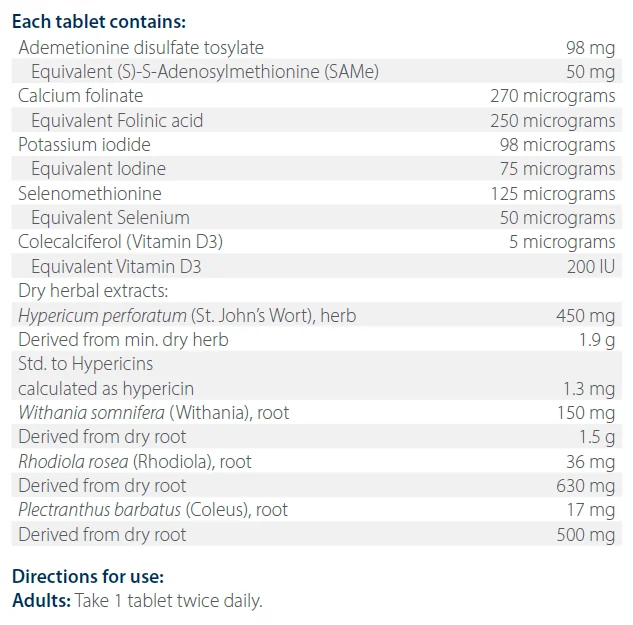
Neuro Lift is a twice-daily nootropic supplement built on SAMe, folinic acid, iodine, selenium and standardised adaptogens including ashwagandha and Rhodiola — every ingredient named with its own amount, no proprietary blend, no caffeine. See the current panel and pricing before you compare it to anything else.
Check Availability & PricingThree myths worth clearing up
Myth 1: nootropics work instantly. A few ingredients, notably L-theanine and caffeine, act within an hour, but most of the category does not. Adaptogens and bacopa build over weeks, and deficiency correction takes as long as it takes to rebuild your stores. If you judge a daily formula after two days, you are judging the wrong window. Expect to give a botanical stack four to eight weeks of consistent use before you decide.
Myth 2: more ingredients means a better product. Usually the opposite. There is only so much physical room in a capsule, so a label boasting twenty ingredients is quietly telling you most of them are present in token amounts. A short list at real doses beats a "kitchen sink" formula every time, and a proprietary blend that hides the split is the biggest red flag of all. If you are shopping the category seriously, our 2026 buyer's guide to scoring brain supplements on dose and transparency gives you a checklist for exactly this.
Myth 3: natural means it cannot interact with anything. Botanicals are chemistry too. St John's Wort in particular interacts with a long list of prescription medicines, including the contraceptive pill and many antidepressants, and other herbs have their own cautions. "Natural" is a sourcing statement, not a safety guarantee, which is why the medical note below is not boilerplate.
A nootropic supplement is a lever, not an engine. It works best on a machine that is already being looked after — slept, fed, moved and managed for stress. Bolt it onto neglect and it has almost nothing to amplify.
How to choose your first nootropic supplement
Start by naming the problem. "I want to feel sharper" is too vague to shop for; "my concentration falls off a cliff in stressful weeks" or "I am tired all afternoon" points you at adaptogens or a deficiency check respectively. Then apply three filters. Prefer a product that itemises every dose over one that hides behind a blend — the test that decides most branded stacks, as our look at the Alpha Brain formula and its alternatives shows. Prefer study-level amounts over token sprinkles. And prefer a stimulant-free daily formula if you want something you can take for months without a tolerance cycle or disrupted sleep.
Once you have chosen, give it a fair trial: the same product, at the same time each day, for at least four to eight weeks, ideally while you also fix the obvious basics. Keep a one-line note on how focused you feel; memory is a poor judge of gradual change. If nothing shifts after two months at a proper dose, that ingredient is probably not your lever, and that is useful information rather than a failure.
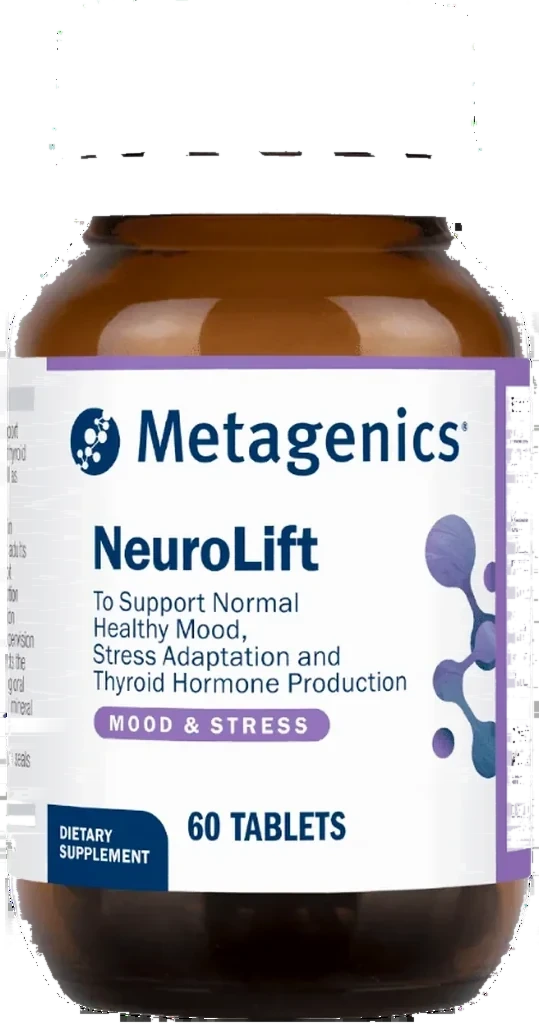
Where does Neuro Lift fit? We publish independently and we are an affiliate, so run it through the same filters as anything else. It is a twice-daily nootropic supplement centred on mood, stress and thyroid support — SAMe, folinic acid, iodine and selenium plus standardised adaptogens — with every amount itemised and no caffeine. If your problem is the stressed-and-foggy kind rather than the pure-focus kind, it is the sort of formula worth reading the label on. You can see the full Neuro Lift ingredient list and amounts on the homepage.
Medical note: this article is general information, not medical advice. Some botanical ingredients, St John's Wort in particular, interact with prescription medicines including the contraceptive pill and antidepressants. Speak to a doctor or pharmacist before starting any supplement, and especially if you are pregnant, nursing, taking medication or managing a health condition. No supplement diagnoses, treats, cures or prevents any disease.
Scientific references
- NIH NCCIH — Dietary and Herbal Supplements
- NIH Office of Dietary Supplements — nutrient fact sheets
- McGlade E. et al. (2019) — The Effect of Citicoline Supplementation on Motor Speed and Attention in Adolescent Males, Journal of Attention Disorders
- Gopukumar K. et al. (2021) — Efficacy and Safety of Ashwagandha Root Extract on Cognitive Functions in Healthy, Stressed Adults: A Randomized, Double-Blind, Placebo-Controlled Study, Evidence-Based Complementary and Alternative Medicine
- NIH Office of Dietary Supplements — Choline, Fact Sheet for Health Professionals
- U.S. FDA — Dietary Supplements overview
Related reading
An evidence-led nootropic you can take every day
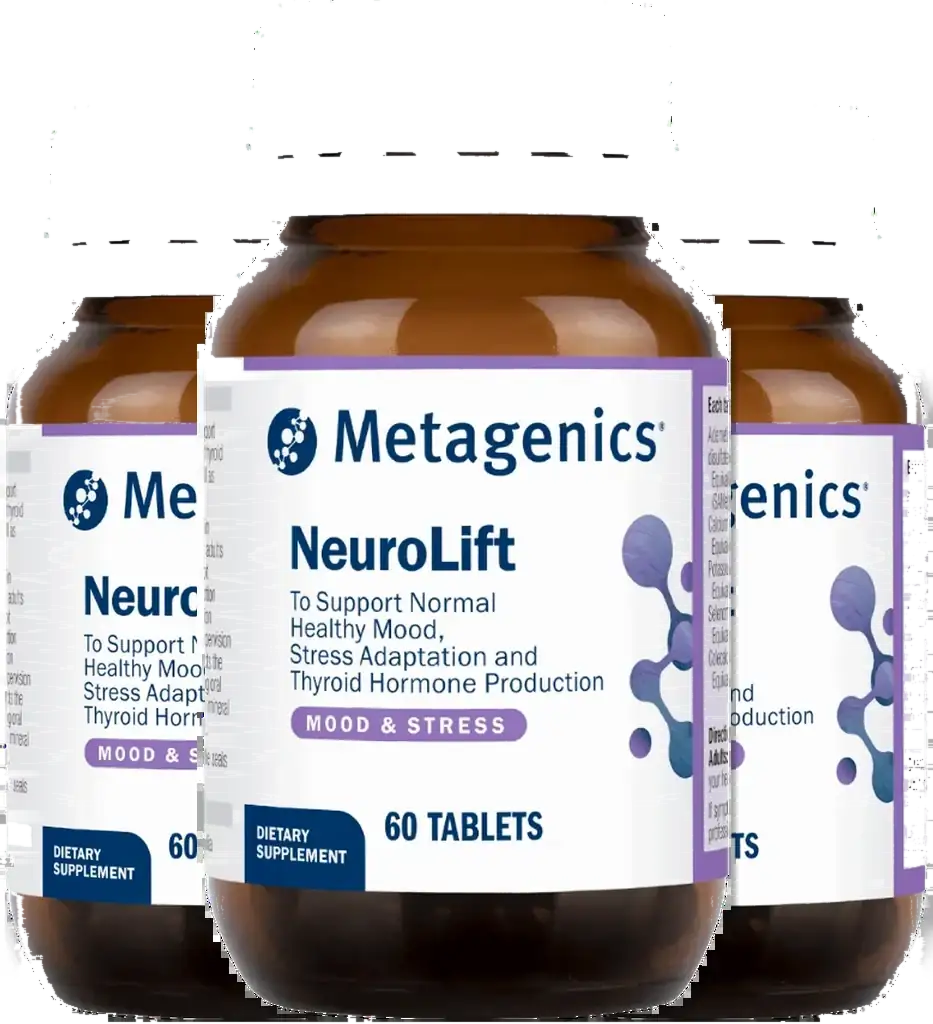
SAMe, folinic acid, iodine, selenium and standardised adaptogens in a twice-daily tablet — every ingredient itemised, no proprietary blend, no caffeine source. See the current pricing and full panel on the official store.
See Availability on the Official Store