Alpha Brain 2026: Ingredients, Evidence and Honest Alternatives
Is Alpha Brain worth it, and what are the alternatives?
Alpha Brain is one of the better-tested nootropic blends, built on bacopa, alpha-GPC and huperzine A, with small company-funded trials showing modest gains for some users. Its weakness is transparency: several doses sit inside proprietary blends. Fully itemised alternatives often supply the same key ingredients at a clearer, lower price per dose, so compare on disclosed amounts rather than the brand name.
- Best-evidenced ingredients: bacopa monnieri and alpha-GPC.
- Effective bacopa dose: 300–600 mg at 55% bacosides, over 8–12 weeks.
- Main drawback: proprietary blends hide several individual doses.
Few supplements built the modern nootropic category the way Alpha Brain did. It launched to a podcast audience, picked up celebrity endorsements, and turned "nootropic" from a niche word into a shelf category. Around 27,100 people still search for it every month, even though that interest has been drifting downward for a few years. That decline is part of why an honest Alpha Brain review matters now: the name still carries weight, but a maturing market has produced alternatives that are easier to evaluate, and a fair review should help you tell brand equity apart from formula quality.
This piece stays measured on purpose. Alpha Brain has more human data behind it than most blends, and we will give it full credit for that. It also has a transparency problem baked into its label structure, and we will not pretend otherwise. By the end you will know exactly what is inside, what the research does and does not support, where the evidence is thin, and how to compare it against alternatives on the one metric that survives the marketing: price per clinically-studied ingredient at a disclosed dose.
What are the main ingredients in Alpha Brain?
Alpha Brain organises its formula into three proprietary blends, marketed as the Onnit Flow, Focus and Fuel blends. Across those blends the ingredients that matter most are bacopa monnieri, alpha-GPC, L-tyrosine, L-theanine, oat straw extract, phosphatidylserine and huperzine A, with a cat's claw extract and small amounts of vitamin B6 rounding it out. Two of those, bacopa and alpha-GPC, carry the bulk of the human research; the rest range from promising to lightly studied.
The structural issue is right there in the words "proprietary blend." A proprietary blend lets a brand list ingredients and a single combined weight without disclosing how much of each ingredient is inside. So while you can see that Alpha Brain contains bacopa and alpha-GPC, you cannot confirm from the label whether the bacopa is at a study-level dose or a token amount. That single fact shapes the entire review, because a nootropic is only as good as the dose of its best ingredient.
What the research supports, ingredient by ingredient
Bacopa monnieri is the strongest card in the deck. It is one of the few nootropic ingredients with repeated randomised trials in humans, and it works on a slow timeline, improving memory and verbal learning over roughly 8 to 12 weeks rather than within an hour. The catch is the dose. The effective range in the bacopa trials is about 300 to 600 mg of an extract standardised to around 55 per cent bacosides, and if a proprietary blend cannot confirm that amount, the ingredient's best evidence does not automatically apply to the product.
Alpha-GPC is the second-best-supported ingredient, a choline source studied at 400 mg three times daily in older adults and around 600 mg in single-dose performance work. As with bacopa, the amount inside a blend is the whole question. L-theanine and L-tyrosine both have reasonable support, theanine for calm focus especially paired with caffeine, and tyrosine for performance under acute stress, though tyrosine's studied doses are large. Oat straw and cat's claw are lightly studied. Huperzine A is a potent acetylcholinesterase inhibitor, which is exactly why it is not a casual daily ingredient.
A nootropic blend is only as strong as the dose of its best ingredient. When that dose is hidden inside a proprietary blend, the brand is asking you to trust the label instead of read it.
Alpha Brain ingredients and what the evidence says
| Ingredient | What it is for | Studied dose | Evidence strength |
|---|---|---|---|
| Bacopa monnieri | Memory, verbal learning over weeks | 300–600 mg at ~55% bacosides | Strong for the category, but slow-acting |
| Alpha-GPC | Choline source for acetylcholine | 400 mg ×3 daily in trials | Moderate, mostly older or clinical groups |
| L-theanine | Calm, focused attention | 100–200 mg, often with caffeine | Moderate |
| L-tyrosine | Performance under acute stress | Often several grams in studies | Situational, dose-dependent |
| Huperzine A | Slows acetylcholine breakdown | Micrograms; used cyclically | Potent; not for casual daily use |
| Oat straw, cat's claw | General "focus" support | Not well established | Weak / preliminary |
Read the studied-dose column next to the fact that several of these live inside proprietary blends, and the core weakness of the product comes into focus. The ingredients are legitimate. Whether they are present at the amounts that made them legitimate is something the label will not tell you.
Want to know every dose before you buy?
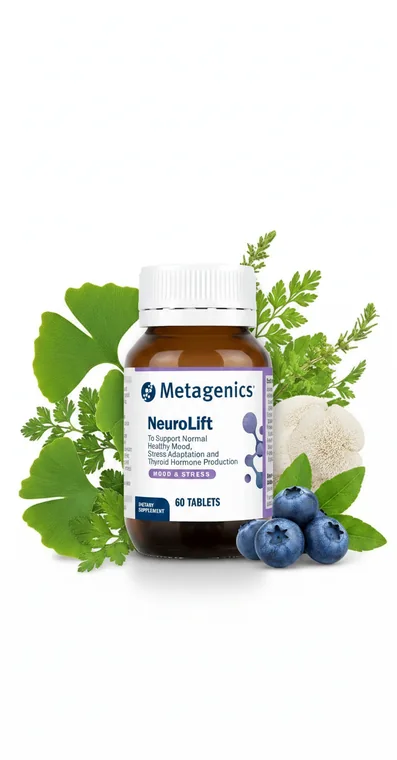
The opposite of a proprietary blend is a fully itemised panel. Neuro Lift prints the amount of SAMe, folinic acid, iodine, selenium, vitamin D3 and each of its four standardised botanicals — no hidden splits, nothing to take on trust. Check the exact doses before you decide.
Check Availability & PricingDoes Alpha Brain really work for focus and memory?
Here is the fair answer, neither dismissive nor inflated. Alpha Brain is unusual in having any placebo-controlled human trials at all, and a couple of small studies reported improvements in verbal memory and executive function versus placebo. That is more than most blends can claim and it deserves credit. But the studies are small, the sample sizes modest, and they were sponsored by the company, so independent replication is what would move this from promising to proven, and that has not really happened.
The practical takeaway is that a modest, individual benefit is plausible for some people, and no benefit is equally plausible for others, especially anyone whose sleep and stress are already handled. What Alpha Brain will not do is treat, cure or prevent any condition, and it will not produce the film-style cognitive transformation the category's marketing sometimes implies. If you go in expecting a subtle edge that you will need to test on yourself over several weeks, you are calibrated correctly.
Are there cheaper alternatives to Alpha Brain?
Almost always, and the reason is structural rather than a knock on any one competitor. A meaningful part of what you pay for Alpha Brain is brand, marketing and the proprietary-blend format itself, which lets a product look sophisticated without committing to disclosed doses. Fully itemised formulas that print every amount frequently deliver the same two ingredients that carry the evidence, bacopa and alpha-GPC, at a clearer and often lower price per dose.
To compare properly, ignore the headline bottle price. Calculate price per clinically-studied ingredient using only the amounts you can actually see on the panel, then rank. This is the same method we apply across the category, and it usually rearranges the shelf. If you want the full scoring framework laid out step by step, our 2026 buyer's guide to choosing the best brain supplements is the companion piece, and the deeper mechanics of choline dosing are covered in our breakdown of alpha-GPC versus other choline sources.
Two myths worth clearing up
"It's endorsed by big names, so it must be the best formula."
Endorsement measures reach, not dosing. A product can be genuinely well-formulated and heavily endorsed, or heavily endorsed and mediocre, and the endorsement tells you nothing about which. The only way to know is to read the panel and check the doses against the research. When part of the panel is a proprietary blend, an endorsement is being used to fill a gap that disclosure would fill better.
"A proprietary blend protects a special formula from copycats."
This is the industry's favourite defence of the format, and it rarely holds up. Competitors can send any product to a lab and reverse-engineer it, so a blend does not meaningfully protect a recipe. What it reliably does is stop you, the buyer, from checking whether the marquee ingredient is at a real dose. If a formula is genuinely well-dosed, disclosing the numbers is a selling point, not a risk.
Does Alpha Brain have side effects?
Most people tolerate it, but the reported effects are worth knowing because they trace to specific ingredients. The most talked-about is unusually vivid or disrupted dreams, commonly attributed to the cholinergic ingredients, particularly huperzine A. Headache and mild stomach upset also come up, and alpha-GPC can contribute to both. None of that is unusual for the category, but it is a reason to start low and pay attention rather than to assume "natural" means "no effect."
Huperzine A deserves a specific caution. As an acetylcholinesterase inhibitor it has real pharmacological activity, which is why it is generally recommended cyclically rather than every single day. Anyone taking cholinergic or neurological medication should treat that interaction seriously, and anyone pregnant, nursing or managing a health condition should get individual advice before starting. This is a supplement, but it is not an inert one, and a good review says so.
Medical note: this article is general information, not medical advice. Nootropic blends are foods, not treatments. Speak to a doctor or pharmacist before starting any supplement, especially one containing huperzine A, and particularly if you are pregnant, nursing, taking medication or managing a health condition.
Who Alpha Brain is actually for
Every product suits someone, and being clear about who keeps a review honest. Alpha Brain makes the most sense for a buyer who values a recognisable, human-tested name, is comfortable trusting a brand rather than reading every dose, and wants a single convenient formula rather than assembling ingredients themselves. For that person the proprietary-blend format is an acceptable trade, and the small body of trial evidence is a genuine plus over the many blends that have none at all.
It suits a different buyer far less well. If you like to match ingredients to their studied doses, want to compare value across brands on a spreadsheet, or need to hand a full ingredient list to a pharmacist for an interaction check, the hidden amounts inside the blends work against you at every step. Neither buyer is wrong; they simply weigh transparency differently. The mistake is buying on the endorsement and only later discovering you are the second type of buyer stuck with a first-type-of-buyer label.
How to decide, in one paragraph
If you specifically want a well-known, human-tested blend and the proprietary-blend format does not bother you, Alpha Brain is a defensible buy. If you would rather know exactly how much bacopa and alpha-GPC you are getting so you can match it to the research and compare value, a fully itemised alternative is the better fit. Either way, buy on disclosed doses and cost per studied ingredient, give any formula the 8 to 12 weeks that bacopa needs before judging it, and keep your expectations the honest size: a possible modest edge, not a transformation.
Scientific references
- Solomon T.M. et al. (2016) — A randomized, double-blind, placebo controlled, parallel group, efficacy study of alpha BRAIN administered orally, Human Psychopharmacology
- Kongkeaw C. et al. (2014) — Meta-analysis of randomized controlled trials on cognitive effects of Bacopa monnieri extract, Journal of Ethnopharmacology
- NIH Office of Dietary Supplements — Dietary Supplement Fact Sheets
- NIH NCCIH — Dietary and Herbal Supplements
- US Federal Trade Commission — Health Products Compliance Guidance
Related reading
Compare against a formula that discloses every dose
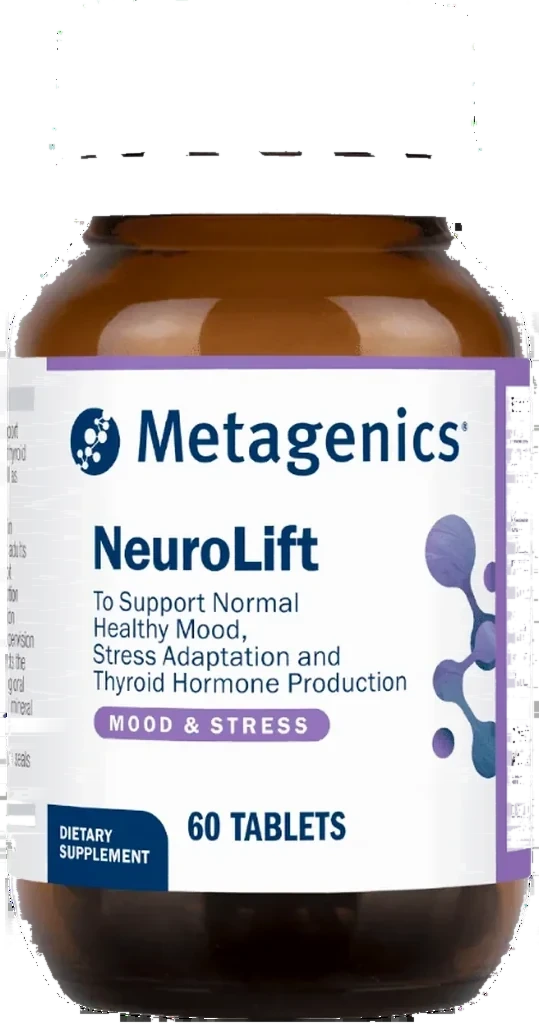
No proprietary blends, no hidden splits — Neuro Lift lists the amount of every ingredient so you can check it against the research yourself. Read the full Neuro Lift ingredient breakdown, then see current availability.
See Availability on the Official Store