Neuriva vs Alternatives: An Honest Review of a Two-Ingredient Brain Supplement
Does Neuriva work, and what are the best alternatives?
Neuriva is a two-ingredient formula built on coffee-fruit extract and phosphatidylserine, backed by small brand-funded trials that suggest modest effects. It is a reasonable starting point, but broader formulas that add citicoline, standardised bacopa and lion's mane at disclosed doses often deliver more for the money. Judge any option on cost per clinically-studied ingredient, not the headline price.
- Neuriva core: coffee-fruit extract plus phosphatidylserine; Neuriva Plus adds B vitamins.
- Broader formulas add: citicoline, bacopa monnieri, lion's mane, L-theanine.
- Decision rule: count ingredients dosed at study level, then compare value per serving.
Type Neuriva into a search bar and you join roughly 33,100 other people doing the same thing every month. It is one of the most recognised names in the brain-health aisle, sold in pharmacies next to the vitamins, fronted by a friendly clinical-sounding promise. That recognition is exactly why an honest Neuriva review is worth writing: a familiar name is not the same as the best value, and a two-ingredient formula deserves to be measured against what else your money could buy. Search interest in the term is actually trending down year on year, and the related query "neuriva plus" adds another 4,400 monthly searches, which tells you shoppers are already asking whether the basic version is enough.
This review does three things. It explains what is actually inside Neuriva Original and Neuriva Plus, weighs what the research does and does not support without overselling it, and compares the line against broader-spectrum formulas so you can decide what a complete stack looks like for you. We are an affiliate publisher for a different product, and we will say so plainly whenever it is relevant, but the framework below works no matter which brand you end up choosing.
What is actually inside Neuriva?
Neuriva Original is a deliberately short formula. Its two headline actives are a coffee-fruit extract, marketed under the ingredient brand Neurofactor and derived from the fruit that surrounds the coffee bean, and phosphatidylserine, a phospholipid found in cell membranes and often sold as Sharp-PS. Neuriva Plus keeps those two and adds a small stack of B vitamins, usually B6, B12 and folate, which is where the extra 4,400 monthly searches for the Plus version come from.
There is a genuine logic to both ingredients. Phosphatidylserine has more human research behind it than most single nootropic ingredients, particularly in older adults, and it is one of the few brain-supplement components with a qualified health claim history. Coffee-fruit extract is studied mainly for its effect on a signalling protein called BDNF, though the human evidence is thinner and comes largely from small studies connected to the ingredient supplier. Neither ingredient is a gimmick. The question is not whether they are legitimate but whether two ingredients, however legitimate, add up to a complete formula.
What the research actually supports
Here is the measured version, because the category is full of unmeasured ones. The trials most often cited for Neuriva are small, short and funded by parties with a commercial interest, which is normal for supplements but should temper how much weight you give the results. They point to modest changes on specific cognitive tests, not to a dramatic, life-changing improvement in everyday memory. Phosphatidylserine's stronger evidence base sits mainly in older adults with age-related memory complaints, which does not automatically transfer to a healthy thirty-five-year-old wanting sharper focus at work.
Most importantly, and this belongs in every honest review: no brain supplement, Neuriva included, treats, prevents or reverses cognitive decline, dementia or Alzheimer's disease. A product can be worth trying for a subtle, individual edge while being completely unable to do the thing people most fear. Holding both of those ideas at once is what separates a fair review from a sales page.
A recognisable name on a pharmacy shelf answers the question "have I heard of this?" It does not answer the question "is this the most complete formula my money can buy?" Those are different questions, and only the second one matters at checkout.
Where broader-spectrum formulas differ
Step away from the two-ingredient model and the category opens up. Broader brain supplements build on a longer ingredient list, and the additions are not random. Citicoline supplies choline for acetylcholine production and has short human trials on attention and psychomotor speed. Standardised bacopa monnieri is one of the better-evidenced memory ingredients, with the caveat that it works over 8 to 12 weeks rather than in an afternoon. Lion's mane, L-theanine and adaptogens such as rhodiola and ashwagandha each bring their own small evidence base for focus, calm and stress resilience.
The trap is assuming that a longer list is automatically better. It is only better when each added ingredient appears at a dose the research actually used. A formula that lists twelve ingredients at pixie-dust amounts is worse than a tight formula that doses two things properly. This is why the comparison that matters is not "how many ingredients" but "how many ingredients at study-level doses, and are those doses disclosed." If you want the full breakdown of why choline form and dose matter so much, our guide to alpha-GPC and choline sources compared by elemental yield does the arithmetic ingredient by ingredient.
Neuriva Original vs Neuriva Plus vs a broader formula
| What you are comparing | Neuriva Original | Neuriva Plus | Broader-spectrum formula |
|---|---|---|---|
| Core actives | Coffee-fruit extract, phosphatidylserine | Same two, plus B6, B12, folate | Citicoline, bacopa, lion's mane, L-theanine and more |
| Ingredient count | 2 | 2 actives + 3 vitamins | Typically 6–10 disclosed ingredients |
| Doses disclosed? | Yes, but a short list | Yes | Varies — itemised panels are best, blends are worst |
| Memory ingredient with 8–12 week data | Phosphatidylserine | Phosphatidylserine | Phosphatidylserine and/or standardised bacopa |
| Best judged on | Cost per studied ingredient | Whether you need the added B vitamins | How many ingredients hit study-level doses |
Read that table as a method, not a verdict. Neuriva is not a bad product; it is a narrow one. Whether narrow is right for you depends on what you already get from your diet and whether you would rather pay for two well-known ingredients or a wider, fully disclosed stack.
Prefer a fully itemised formula over a two-ingredient one?
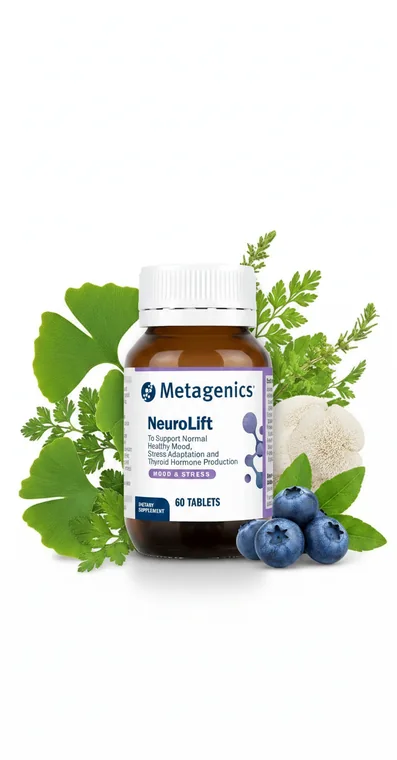
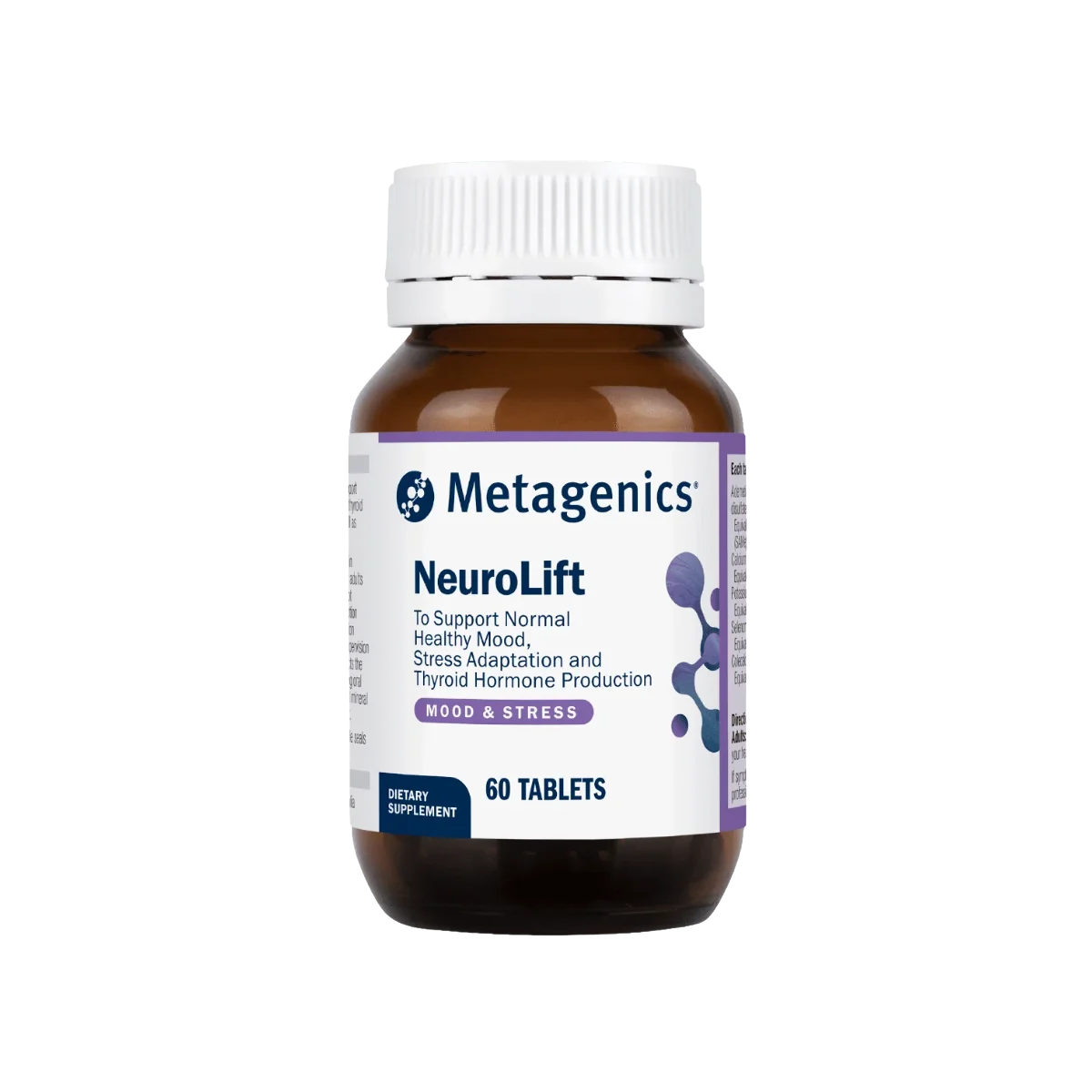
Neuro Lift takes the opposite approach to a short pharmacy formula: SAMe and folinic acid for methylation, iodine and selenium for thyroid hormone production, and four standardised botanicals for mood and stress — every amount printed on the panel, no proprietary blends. See exactly what the dose of each ingredient is before you decide.
Check Availability & PricingThe number that actually decides value: cost per clinically-studied ingredient
Sticker price is the wrong yardstick, and it is the one the whole category hopes you will use. A two-ingredient bottle can look cheap next to a fuller formula while quietly costing more per studied ingredient, because you are paying the full bottle price for a shorter list. The honest calculation is simple: take the price per serving, then divide by the number of ingredients present at a dose the human research actually used. Ingredients present only as a trace do not count, no matter how impressive they look on the label.
Do that math across a few products and the ranking usually rearranges. The recognisable name does not automatically win, and the cheapest bottle does not automatically win either. What tends to win is the formula that combines a disclosed panel with several ingredients at real doses, because that is where cost per studied ingredient falls. If you are building a shortlist, our broader 2026 buyer's guide to the best brain supplements walks through how to score competing formulas on exactly this basis.
Three objections worth answering honestly
"Neuriva is clinically tested, so isn't that enough?"
Clinically tested is a phrase that does a lot of quiet work. It usually means a small, short, company-connected trial found a measurable change on a specific test. That is real, and it is more than many competitors can say, but it is not the same as proof the finished product meaningfully improves your day-to-day memory. Ingredient evidence is not product evidence, and "tested" is not "proven for you." A fair review credits Neuriva for having any human data at all, then keeps the claim the right size.
"More ingredients just means more filler, right?"
This is the opposite myth, and it is just as wrong. More ingredients are filler only when they are underdosed. A longer formula built on study-level amounts of citicoline, bacopa and phosphatidylserine is not padded, it is more complete. The way to tell the difference is the panel: if the amounts are printed and they match the doses used in research, the length of the list is a feature. If the amounts are hidden in a blend, be suspicious regardless of how short or long the list is.
"Is Neuriva worth the price?"
It can be, for the right buyer, and it can also be quietly poor value for someone who would benefit from a wider formula. Worth is cost per studied ingredient, not the number on the shelf tag. If you specifically want phosphatidylserine and nothing else, a focused formula is defensible. If you want a broader approach to focus, mood and stress, paying a similar price for two ingredients is where the value argument breaks down.
Where Neuro Lift fits in this comparison
We publish this site as an affiliate for Neuro Lift, so treat the next paragraph as disclosed opinion rather than neutral fact. Neuro Lift is not a citicoline-and-bacopa nootropic clone, and we are not going to pretend it is. It takes a different route: SAMe and folinic acid to support methylation, iodine and selenium for normal thyroid hormone production, vitamin D3, and four standardised botanicals, St John's Wort, Withania (ashwagandha), Rhodiola and Coleus, aimed at mood and stress rather than raw focus.
What makes it a fair comparison point against Neuriva is not the ingredient list, it is the philosophy of the panel. Every amount is itemised, there are no proprietary blends, and the doses are there for you to check against the research yourself. That is the same test we would apply to any brand, Neuriva included. If your goal is mood, stress and everyday resilience with fully disclosed amounts, it is worth a look; if your goal is specifically the two Neuriva ingredients, be honest with yourself about that and buy accordingly.
What no brain supplement can do
Stated plainly, because it is the most important line in any honest review: there is no good evidence that Neuriva, Neuro Lift or any competitor prevents, treats or reverses dementia, Alzheimer's disease or age-related cognitive decline. Small improvements on a cognitive test in a short trial are not the same as protecting your brain over decades. Any product, ours included, that lets you believe otherwise is overselling.
A supplement also cannot outrun the basics. It will not compensate for short sleep, a sedentary week, unmanaged stress or an untreated thyroid or mood problem. Those have far more leverage on how sharp you feel than any capsule, and several of them need testing and clinical advice rather than a purchase. If you take medication, are pregnant or nursing, or manage a health condition, the right first step is a conversation with a doctor or pharmacist, not a checkout.
Medical note: this article is general information, not medical advice. Brain supplements are foods, not treatments. Speak to a doctor or pharmacist before starting any supplement, and especially if you are pregnant, nursing, taking medication or managing a health condition.
Scientific references
- NIH NCCIH — Dietary and Herbal Supplements
- NIH Office of Dietary Supplements — Dietary Supplement Fact Sheets
- Duan H. et al. (2025) — Effects of a food supplement containing phosphatidylserine on cognitive function in Chinese older adults with mild cognitive impairment: a randomized double-blind, placebo-controlled trial, Journal of Affective Disorders
- Kongkeaw C. et al. (2014) — Meta-analysis of randomized controlled trials on cognitive effects of Bacopa monnieri extract, Journal of Ethnopharmacology
- US Federal Trade Commission — Health Products Compliance Guidance
Related reading
See a fully itemised panel for yourself
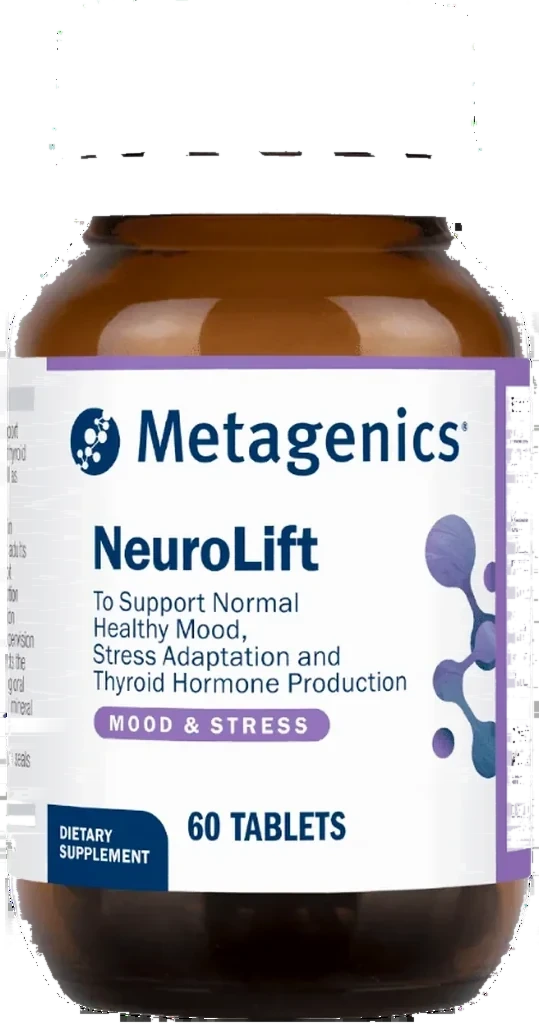
If the Neuriva comparison convinced you to shop on disclosed doses, start with a formula that hides nothing. Read the full Neuro Lift ingredient breakdown, then check current availability on the official store.
See Availability on the Official Store