Magnesium L-Threonate for Memory and Dosage
Quick Answer: What Is Magnesium L-Threonate and How Do You Dose It?
Magnesium L-threonate is the magnesium form best able to cross the blood-brain barrier, which is why it is the version studied for memory and synaptic plasticity. The commonly studied dose is about 1,500 to 2,000 mg of the compound daily, usually split into a daytime and an evening portion. It is not a disease treatment.
- Why it is different: the threonate carrier raises magnesium in the brain.
- Typical dose: ~2,000 mg/day of the compound, giving ~144 mg elemental magnesium.
- Check first: magnesium can affect blood pressure and kidneys — ask a clinician.
Search interest in magnesium L-threonate is enormous — the various spellings of magnesium threonate together pull somewhere between forty-nine and seventy-four thousand US searches a month — and most of that traffic arrives with a single confusion in mind: is this just expensive magnesium, or is it genuinely different? The short answer is that it is genuinely different for one specific job. Magnesium L-threonate is the only widely available magnesium form shown to meaningfully raise magnesium levels inside the brain, because the threonate carrier helps it cross the blood-brain barrier that keeps ordinary magnesium salts largely out. That single property is why it is the form tied to memory and synaptic support, and why you would not reach for it to fix a leg cramp.
This guide explains what magnesium L-threonate does, why threonate differs from citrate, glycinate and oxide for cognition specifically, how to dose it without wasting money or upsetting your stomach, and where it fits alongside a transparently-labelled daily formula. As with everything we publish, the honest boundaries come before the sales copy, not after it.
Why the threonate form is different from citrate, glycinate and oxide
Every magnesium supplement is a magnesium ion bound to a carrier, and the carrier decides where the magnesium ends up. Magnesium oxide is cheap and poorly absorbed, which is why it is better known as a laxative than a brain supplement. Magnesium citrate absorbs reasonably well and is a sensible everyday choice for topping up whole-body magnesium. Magnesium glycinate is gentle on the stomach and popular for sleep and relaxation. All three do their jobs in the body at large, but none of them is designed to change how much magnesium reaches your neurons.
Magnesium L-threonate was developed specifically to solve that last problem. In the research that put it on the map, this form raised magnesium concentration in the cerebrospinal fluid in a way that conventional salts did not, and the working theory is that the threonate molecule itself assists transport across the blood-brain barrier. The practical takeaway is simple: if your goal is general magnesium status, muscle function or bowel regularity, a cheaper form is the rational buy; if your goal is specifically brain magnesium for memory and cognition, threonate is the form the science points to. "Better" always depends on the target.
What magnesium L-threonate does for memory and synaptic plasticity
Magnesium plays a quiet but central role at the synapse, the junction where one neuron signals the next. It helps regulate the NMDA receptor, a gatekeeper that must open and close correctly for the strengthening and pruning of connections known as synaptic plasticity — the cellular machinery underneath learning and memory. Adequate magnesium at the synapse is associated with a healthier balance of these connections, which is the biological logic behind studying a brain-penetrant magnesium form for cognition.
Here is where honesty matters. Much of the most striking work on magnesium L-threonate has been done in animals, where researchers can measure synapse density directly. Human trials exist and are encouraging for aspects of memory and cognitive function in older adults, but they are still relatively few, and the effect sizes are modest rather than dramatic. Magnesium L-threonate is best understood as support for healthy memory and normal age-related cognitive change, not as a treatment, cure or preventative for dementia or any other condition. Anyone who tells you a magnesium supplement reverses cognitive disease is selling you something the evidence does not support.
Magnesium L-threonate dosage: the numbers that matter
This is the part most people get wrong, because magnesium L-threonate has an unusual quirk: the carrier makes up most of the weight. The commonly studied dose is roughly 1,500 to 2,000 mg of the magnesium L-threonate compound per day, and yet that large-sounding amount supplies only about 140 to 145 mg of actual elemental magnesium. In other words, a "2,000 mg" magnesium L-threonate dose is not a 2,000 mg dose of magnesium; it is a modest dose of elemental magnesium wrapped in a specialised carrier. Reading the elemental line, not the compound line, is the whole game.
The dose is usually divided, most often two or three times a day, with an evening portion taken because some people find magnesium supports relaxation and sleep. Start at the lower end and give it time. And be careful about stacking: if you are already taking another magnesium supplement, a multivitamin with magnesium, and a threonate product, your total elemental magnesium can climb higher than you intended, and the first sign of too much is usually loose stools.
Magnesium forms at a glance
| Form | Best for | Elemental magnesium | Notes |
|---|---|---|---|
| Magnesium L-threonate | Brain / memory support | Low per gram (~7–8%) | The brain-penetrant form; dose the compound high to get modest elemental mg |
| Magnesium glycinate | Sleep, relaxation, sensitive stomachs | Moderate | Gentle and well tolerated; not brain-targeted |
| Magnesium citrate | General top-up | Moderate–high | Good everyday absorption; can loosen stools |
| Magnesium oxide | Constipation | High on paper, poorly absorbed | Cheap; mostly a laxative, not a cognition choice |
The table makes the trade-off obvious. Threonate delivers the least elemental magnesium per capsule of the common forms, and that is not a flaw — you are paying for where the magnesium goes, not how much of it there is. If you simply want to correct a whole-body shortfall, one of the other forms is the smarter spend, a point we make in our wider look at how to score brain supplements on dose and transparency.
Building a daily brain-support routine around it?
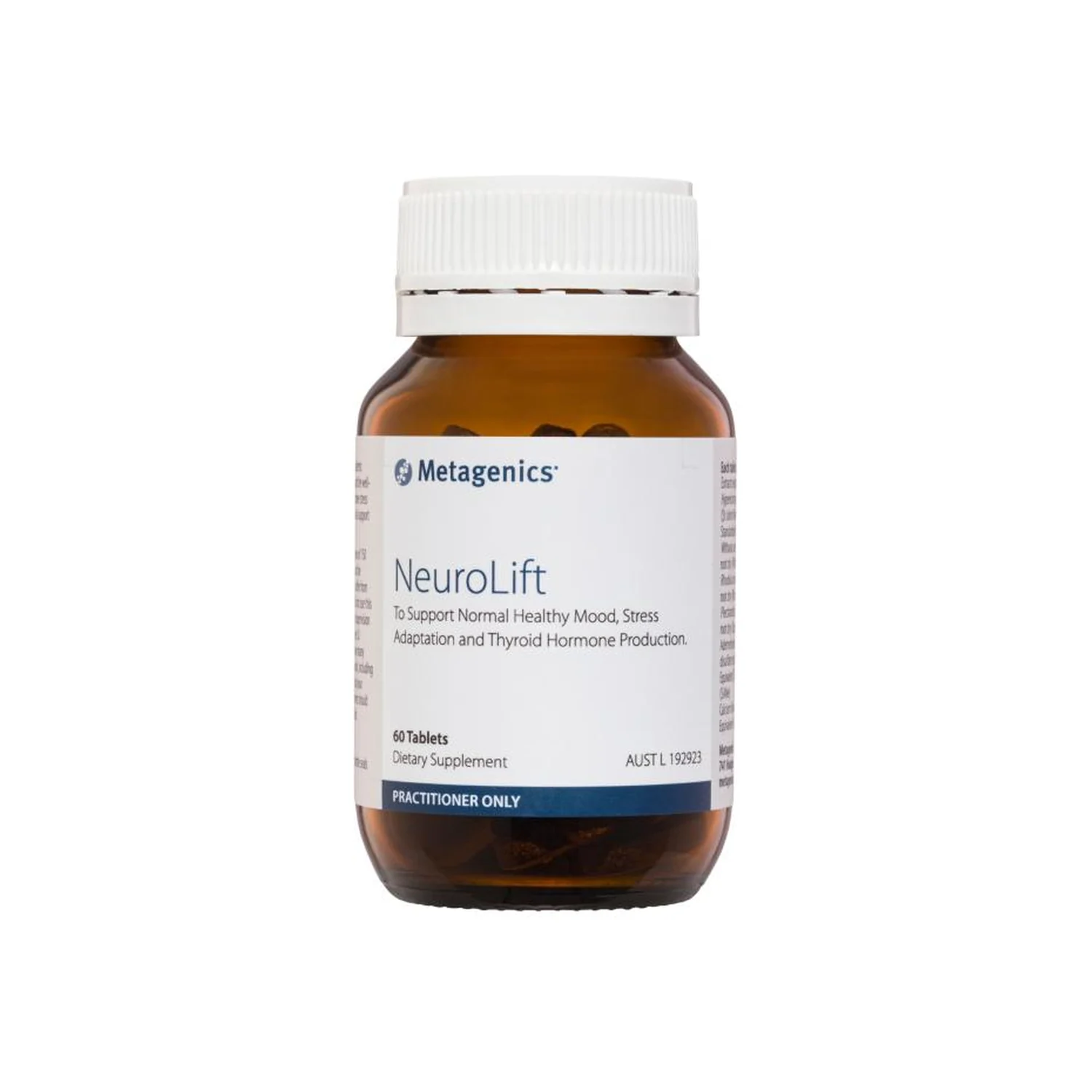
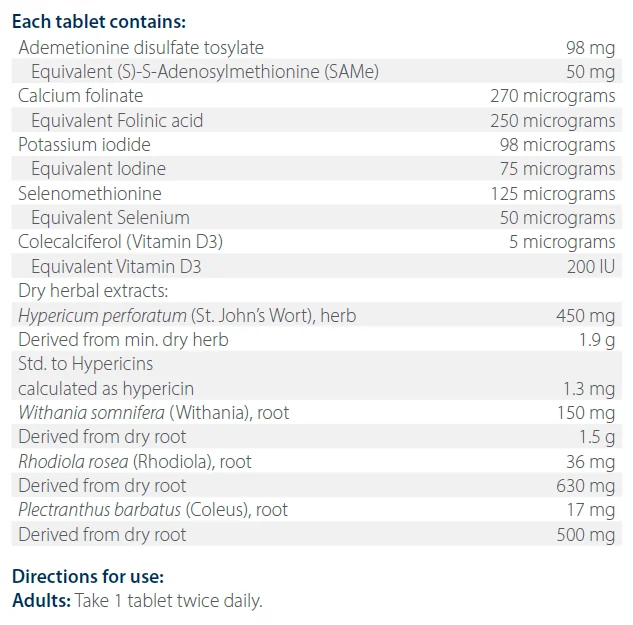
Magnesium L-threonate is a single-ingredient tool that most people pair with a broader daily foundation. Neuro Lift is a transparently-dosed twice-daily formula — SAMe, folinic acid, iodine, selenium and standardised botanicals, every amount itemised and no proprietary blend — the kind of clearly-labelled base worth building a stack on. See the full panel and pricing first.
Check Availability & PricingStacking magnesium L-threonate: what pairs well and what to watch
Because threonate targets the synapse, it is commonly stacked with ingredients aimed at the same neighbourhood. A frequent pairing is lion's mane, which is studied for its potential influence on nerve growth factor and BDNF — signalling molecules involved in maintaining and building neural connections. The logic of the combination is that one ingredient supports the magnesium environment at the synapse while the other targets growth-factor signalling; the honest caveat is that this is a reasonable theory rather than a stack proven as a finished product in trials.
Two other pairings make sense on a practical level. Because some people find the evening dose of magnesium relaxing, it sits naturally alongside a wind-down routine rather than a stimulant. And for anyone whose main issue is stress-related fog rather than pure memory, adaptogens such as ashwagandha and Rhodiola target a different mechanism — the stress response — and can complement rather than duplicate a magnesium approach. If you are new to building a stack at all, our primer on what nootropic supplements are and how the main ingredients work is the place to start before you spend money on several bottles.
The clever part of magnesium L-threonate is not the magnesium, which is cheap and everywhere. It is the carrier that gets a small, specific amount of it to the one place ordinary magnesium struggles to reach.
Three questions people get wrong about magnesium L-threonate
"Isn't it just a marketing gimmick for pricey magnesium?" This is the most common objection, and it is half right. Threonate is more expensive, and for most everyday magnesium purposes it is overkill. But the objection collapses when the goal is brain magnesium specifically, because that is the one job the cheaper forms genuinely do not do as well. The gimmick accusation applies to buying threonate for muscle cramps, not to buying it for its intended purpose.
"More elemental magnesium is always better, so I'll megadose." No. The studied benefit tracks the specific form reaching the brain, not brute-force elemental load, and pushing the total magnesium too high mostly buys you loose stools and, rarely, more serious issues if your kidneys do not clear it well. Respect the studied range rather than assuming double the dose means double the effect.
"It will fix my memory in a week." It will not, and any product promising that is misleading you. Like most of this category, magnesium L-threonate is expected to work gradually over weeks of consistent daily use, in the same slow-building way that bacopa monnieri's memory benefits follow an eight-to-twelve-week timeline. Judge it after two months, not two days, and keep the rest of your life — sleep, movement, diet — in order while you do, because the supplement is amplifying that foundation, not replacing it.
Safety, side effects and who should be careful
Magnesium L-threonate is generally well tolerated at the studied doses, but "generally well tolerated" is not "risk-free for everyone". Magnesium can lower blood pressure, so if you already run low or take blood-pressure medication, the combined effect is worth discussing with a clinician. Magnesium is cleared by the kidneys, so anyone with reduced kidney function can accumulate it and should not supplement without medical guidance. The most common everyday side effect is digestive — loose stools or cramping — and it almost always means the total magnesium dose is too high rather than that the form is wrong.
Magnesium can also interact with certain medications, including some antibiotics and others whose absorption changes when taken close to a mineral, so spacing doses apart is sensible. And to restate the boundary that governs this whole page: magnesium L-threonate is a dietary supplement studied for support of healthy memory and cognition, not a treatment for any disease. If you are pregnant, nursing, taking prescription medicine or managing a health condition, get personalised advice before starting.
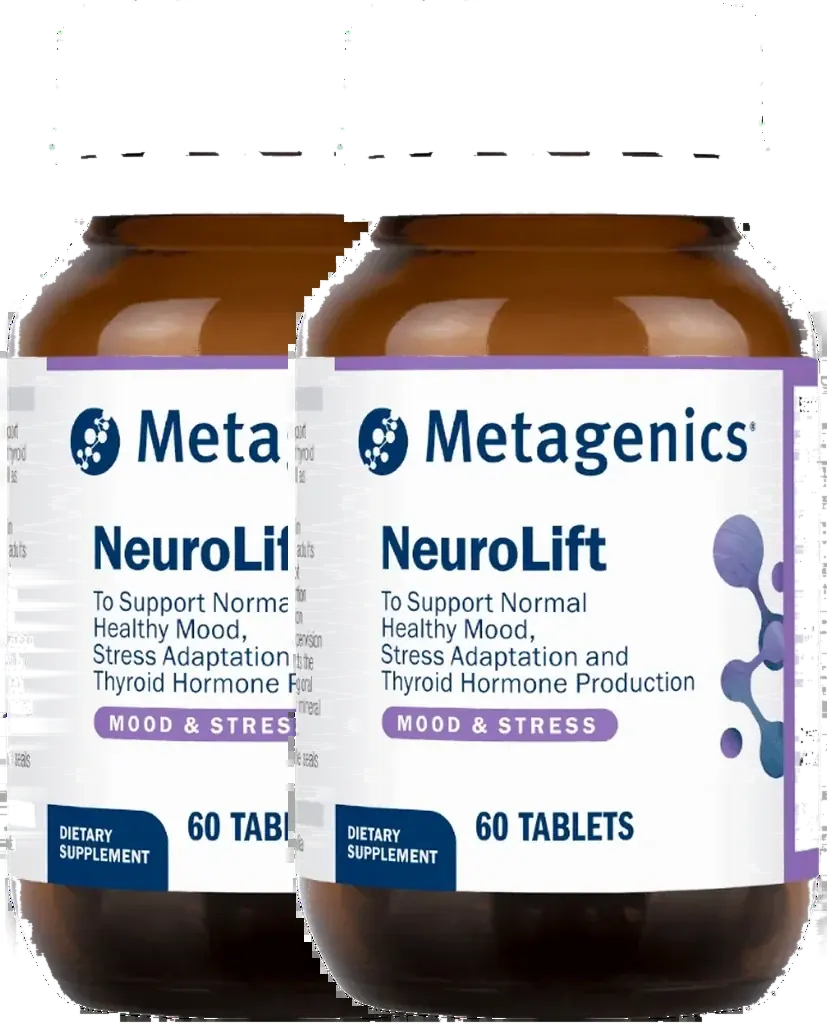
Where does a formula like Neuro Lift fit into all this? Not as a source of magnesium L-threonate — it is a mood, stress and thyroid-support formula rather than a threonate product — but as an example of the label standard you should demand from anything you stack. Every active is itemised, there is no proprietary blend, and there is no caffeine, which makes it easy to see exactly what you would be combining with your magnesium. You can review the full Neuro Lift ingredient panel and decide for yourself whether it belongs in your routine.
Medical note: this article is general information, not medical advice. Magnesium can affect blood pressure and accumulates when kidney function is impaired, and some botanical ingredients such as St John's Wort interact with prescription medicines. Speak to a doctor or pharmacist before starting any supplement, and especially if you are pregnant, nursing, taking medication or managing a health condition. No supplement diagnoses, treats, cures or prevents any disease.
Scientific references
- NIH Office of Dietary Supplements — Magnesium fact sheet
- NIH Office of Dietary Supplements — Magnesium, Consumer Fact Sheet
- Liu G. et al. (2016) — Efficacy and Safety of MMFS-01, a Synapse Density Enhancer, for Treating Cognitive Impairment in Older Adults: A Randomized, Double-Blind, Placebo-Controlled Trial, Journal of Alzheimer’s Disease
- Collingridge G.L. et al. (2025) — Long-term potentiation in the hippocampus: from magnesium to memory, Neuroscience
- U.S. FDA — Dietary Supplements overview
Related reading
Anchor your stack on a clearly-labelled foundation
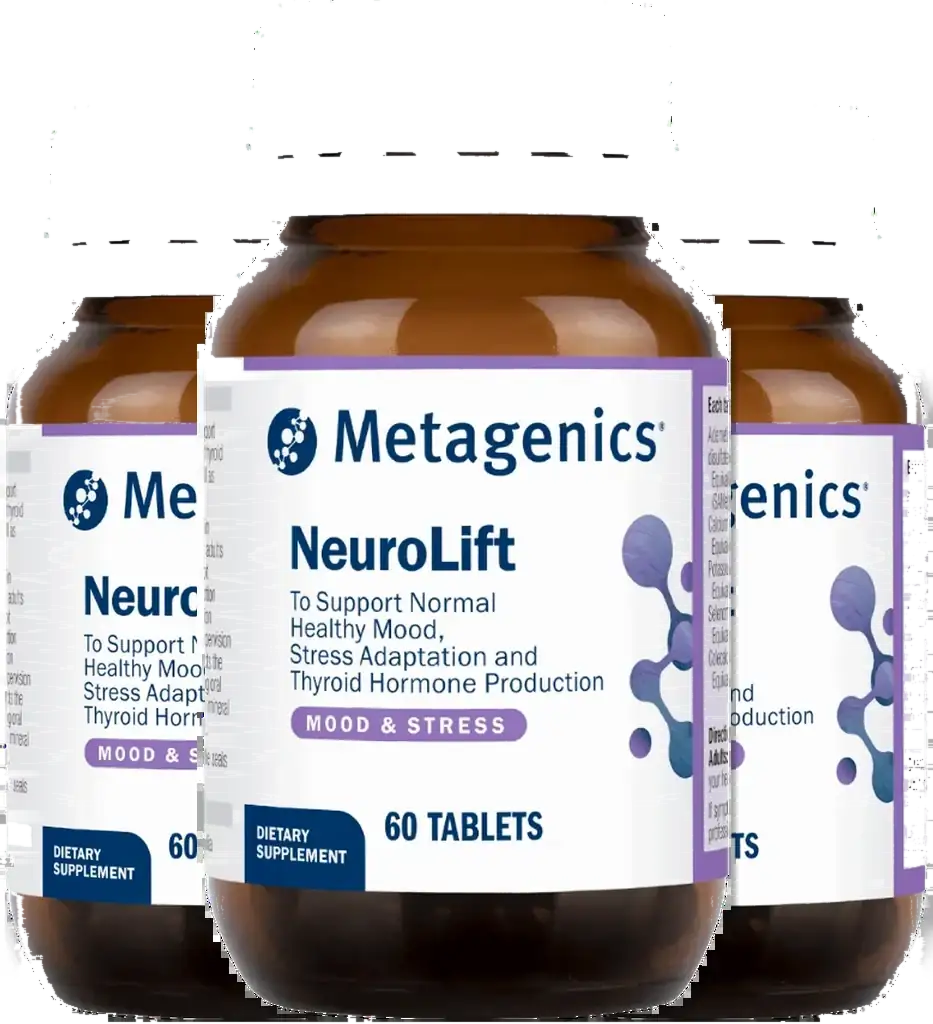
SAMe, folinic acid, iodine, selenium and standardised botanicals in a twice-daily tablet — every ingredient itemised, no proprietary blend, no caffeine source. See the current pricing and full panel on the official store before you build around it.
See Availability on the Official Store