Neurolift Research: What the Studies Cover and What They Do Not
Neurolift research is a fair thing to look up before you spend money. The honest answer has two parts. There is real research on several single ingredients in the tablet. There is no published study of the finished Neuro Lift tablet, and this site does not pretend there is one.
Quick answer
Neurolift research means studies on single ingredients, not on the finished tablet. SAMe and St John's Wort carry the most human research for everyday mood. Ashwagandha has a growing base for stress. Rhodiola trials are small and Coleus evidence is limited. This site found no published study of the Neuro Lift tablet itself.
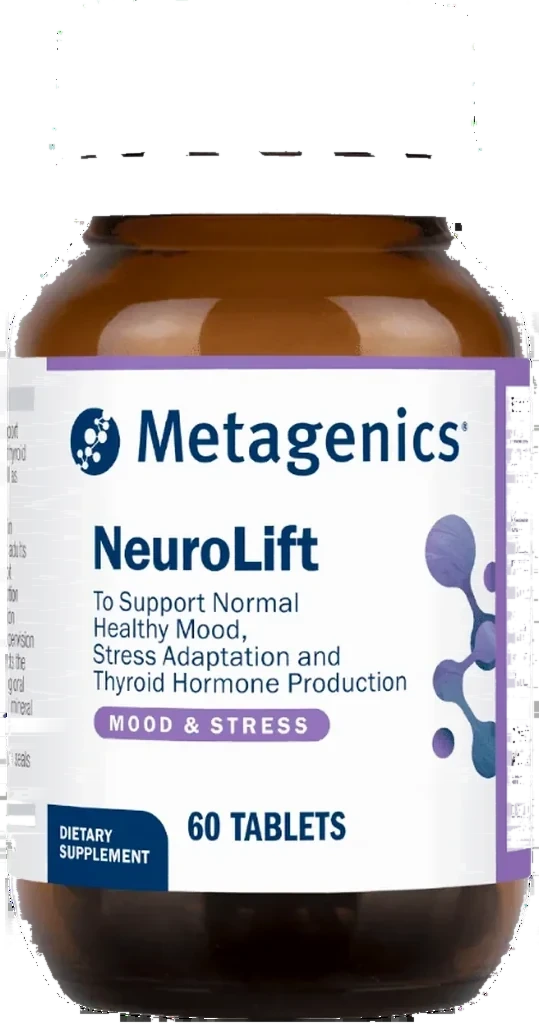
Neuro Lift lists every amount on its label. Check today's price and the 60-day guarantee on the official store.
See Today's Price and GuaranteeAdvertising disclosure: we may earn a commission if you buy through this link, at no extra cost to you.
Key facts
- Study of the finished tablet: not published.
- Best-researched pair: SAMe and St John's Wort.
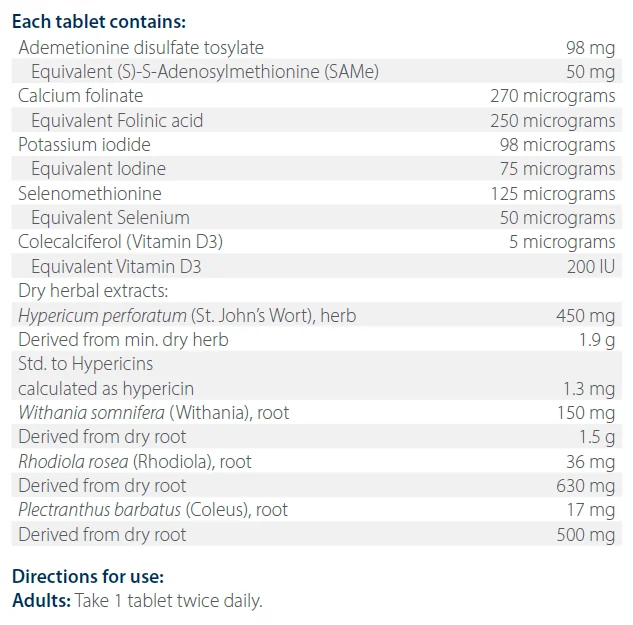
- SAMe in the tablet: 50 mg equivalent, below most trial doses.
- St John's Wort: 450 mg of herb, standardised to 1.3 mg hypericin.
- Withania extract: 150 mg, from 1.5 g of dry root. Rhodiola extract: 36 mg, from 630 mg.
- Time window the site gives for any effect: four to eight weeks.
What does Neurolift research actually include?
When people search for Neurolift research they usually hope for a trial that tested the tablet. That is not what exists. What exists is a body of work on the nine declared ingredients, studied one at a time, in different people, at different doses, for different lengths of time.
This site is open about that gap. Its own pages say the citations cover the ingredients, not the finished product. The sources named are the National Center for Complementary and Integrative Health for the herbs, and the NIH Office of Dietary Supplements for the thyroid micronutrients. Those are good places to start, and they are free to read.
So the useful question is not whether Neuro Lift has been proven. The useful question is how close each amount on the label sits to the amount that was studied.
Is there a study of the finished tablet?
Not one that this site has published or can point to. No trial of the finished tablet is listed on the home page, the about page or any guide page. If a seller tells you otherwise, ask for the title, the year and the journal, and check that the study used this exact formula.
This is also why the site prints no testimonials and no star rating. Without a way to verify a customer, a quote is not evidence. The label and the research on the parts are the only things that can be checked, so those are what the site shows.
Related reading on this site: Neuro Lift side effects guide, and our guide to St John's Wort and ashwagandha evidence. You can also go back to the Neuro Lift home page.
Which ingredients have the strongest Neurolift research?
SAMe and St John's Wort are the pair with the most human research for everyday mood. The site says so plainly. It also adds a warning that matters: most SAMe trials used far higher doses than the 50 mg equivalent in each tablet, so a good result at a high dose does not carry over to this one.
St John's Wort is the most-studied herbal for mild-to-moderate low mood. Here it is standardised to 1.3 mg hypericin, the marker compound that trials track, which makes the dose easier to compare. It is also the most interaction-prone part of the formula, so anyone on prescription medicine should speak to a doctor or pharmacist first.
| Ingredient | Amount per tablet | Research note on this site |
|---|---|---|
| SAMe | 50 mg equivalent | Real research for low mood, but most trials used far higher doses |
| St John's Wort | 450 mg herb, 1.3 mg hypericin | Most-studied herbal for mild-to-moderate low mood; many drug interactions |
| Withania (ashwagandha) | 150 mg extract | Growing evidence for stress in healthy adults |
| Rhodiola rosea | 36 mg extract | Studied for stress-related fatigue; trials are small |
| Coleus | 17 mg extract | Human evidence at supplement doses is limited |
How strong is the research on the stress herbs?
Withania, also called ashwagandha, has a growing evidence base for stress and perceived anxiety in healthy adults. The extract in the tablet is 150 mg, made from 1.5 g of dry root. The label prints both numbers, which is what lets you compare it with a study.
Rhodiola is promising for stress-related fatigue, but the site notes that the trials are small. The extract here is 36 mg, made from 630 mg of dry root. Coleus sits at the weak end. It is included for thyroid support, and the site calls it a supporting ingredient, not a proven active.
Where does Neurolift research stop?
It stops at four limits. First, no finished-tablet study. Second, dose gaps, with SAMe the clearest example. Third, small trials for some herbs. Fourth, the thyroid minerals only help if you are short of them. Iodine at 75 mcg and selenium at 50 mcg support a normal process. More is not better, and extra iodine can disturb the thyroid.
The site also says the tablet is not a medicine. It will not treat a low mood disorder, an anxiety disorder or a diagnosed thyroid condition. Research on an ingredient is not a promise about a bottle.
How should you read a study before you buy?
Check four things. Was the dose close to the label amount? Were the people healthy adults, like the buyers this tablet is made for? How long did the study run, compared with the four to eight weeks this site mentions? Who paid for it?
Then write down what you hope to notice and look again after the window. The 60-day guarantee, handled by the seller, is there to make a fair trial possible. Keep your order confirmation, because refunds are not handled by this site.
Medical note: Neuro Lift is a dietary supplement for healthy adults and is not a medicine. It contains St John's Wort, which interacts with many prescription medicines. This article is general information, not medical advice. Speak to a doctor or pharmacist before starting.