Neurolift Ingredients: Every Amount on the Label, Explained
Neurolift ingredients are easy to check, because the label gives an amount for every one. There is no proprietary blend to hide behind. This guide walks down the panel in order, says what each line is for, and points out the amounts that are small next to what studies used.
Quick answer
Neurolift ingredients are nine declared actives: SAMe 50 mg, St John's Wort 450 mg, Withania 150 mg, Rhodiola 36 mg, Coleus 17 mg, iodine 75 mcg, selenium 50 mcg, folinic acid 250 mcg and vitamin D3 200 IU. Each has its own amount. The dose is one tablet twice daily.
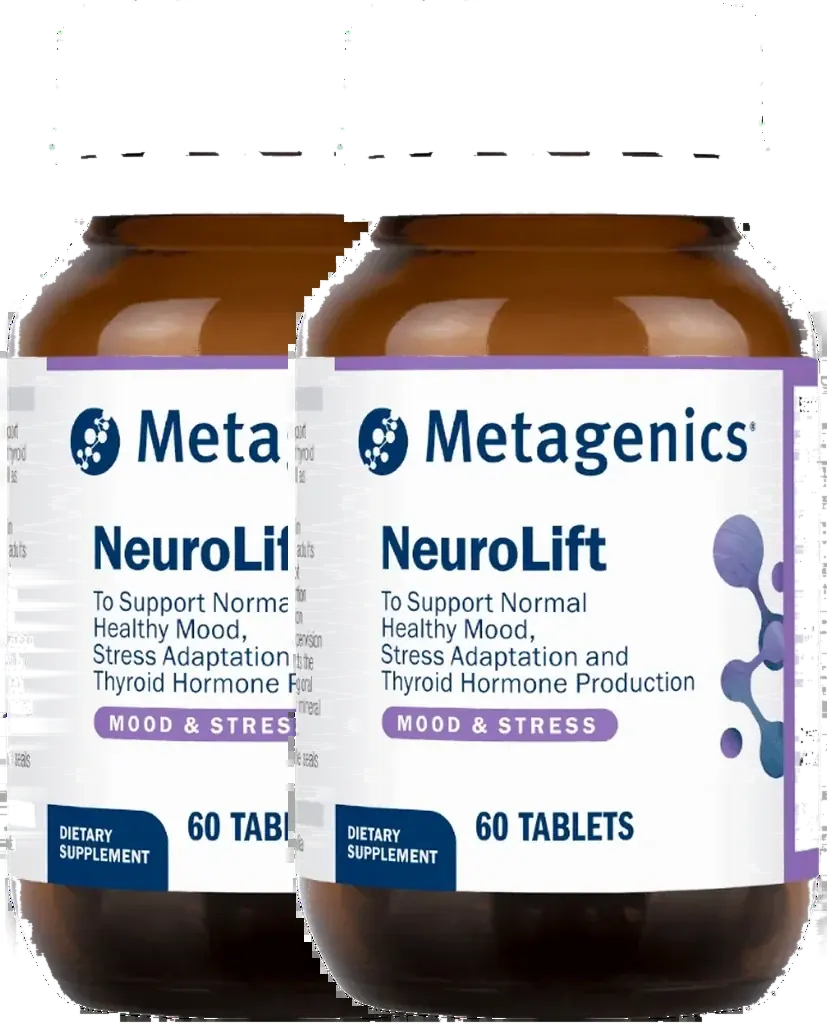
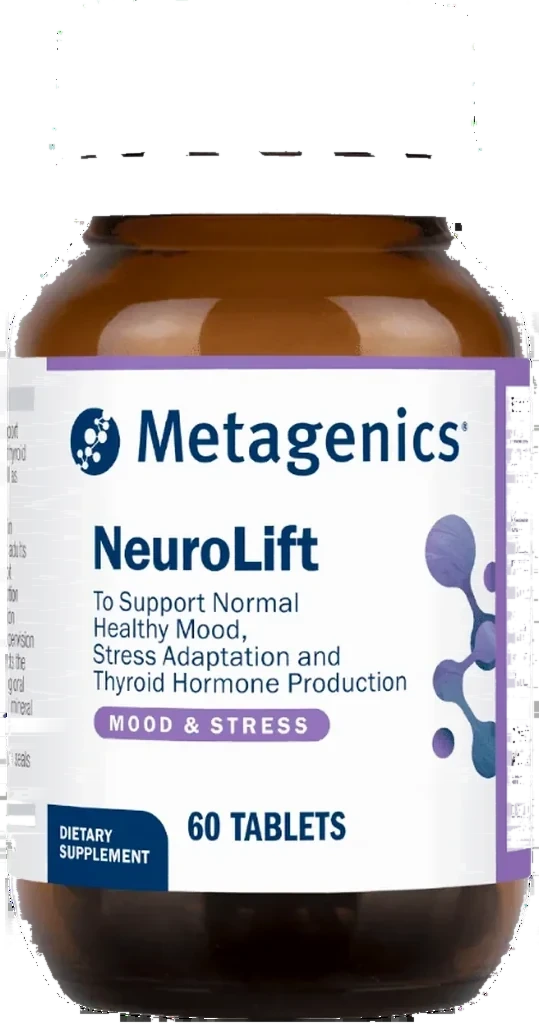
Every amount is printed on the Neuro Lift label. See today's price and the 60-day guarantee on the official store.
See Today's Price and GuaranteeAdvertising disclosure: we may earn a commission if you buy through this link, at no extra cost to you.
Key facts
- Nine declared ingredients, each with its own amount.
- No proprietary blend on the panel.
- One tablet twice daily; 60 tablets in a bottle.
- Three groups: mood compounds, adaptogens, thyroid micronutrients.
- Vitamin D3 at 200 IU is a cofactor amount, not a full vitamin D dose.
- Dietary supplement, not a medicine and not FDA approved.
What are the Neurolift ingredients in the mood group?
Two ingredients sit here. SAMe is used by the body in methylation steps, including some that help build neurotransmitters. The tablet carries 50 mg equivalent. The site is honest that most studies used far higher doses, so treat this amount as modest.
St John's Wort is the second. The tablet has 450 mg of the herb, standardised to 1.3 mg hypericin. Standardising to hypericin matters because it is the compound most trials track, so the dose can be compared with the research. It is also the ingredient that interacts with many medicines.
Which Neurolift ingredients are the adaptogens?
Withania somnifera, known as ashwagandha, is declared as 150 mg of extract derived from 1.5 g of dry root. Rhodiola rosea is declared as 36 mg of extract derived from 630 mg of dry root. Printing the dry-root equivalent is helpful, because it shows how concentrated each extract is.
Both are studied for how the body copes with stress and tiredness. They are not sedatives. The site says the Rhodiola trials are small, so it asks you to keep your expectations steady.
| Ingredient | Amount | Group |
|---|---|---|
| SAMe | 50 mg equivalent | Mood |
| St John's Wort | 450 mg herb (1.3 mg hypericin) | Mood |
| Withania (ashwagandha) | 150 mg extract (from 1.5 g root) | Adaptogen |
| Rhodiola rosea | 36 mg extract (from 630 mg root) | Adaptogen |
| Coleus | 17 mg extract | Thyroid support |
| Iodine | 75 mcg equivalent | Thyroid support |
| Selenium | 50 mcg equivalent | Thyroid support |
| Folinic acid | 250 mcg | Cofactor |
| Vitamin D3 | 200 IU | Cofactor |
Related reading on this site: who should avoid Neuro Lift, and our guide to how long nootropics take to show an effect. You can also go back to the Neuro Lift home page.
What do iodine, selenium and Coleus do among the Neurolift ingredients?
These three support the thyroid. Iodine, at 75 mcg from potassium iodide, is the raw material of thyroid hormone. Selenium, at 50 mcg from selenomethionine, feeds the enzymes that convert it into its active form. Coleus is included at 17 mg for thyroid support, with limited human evidence at supplement doses.
The site stresses that this is nutritional support of a normal process. It is not treatment of thyroid disease. Iodine helps only if you are short of it, and too much can upset the thyroid, so more is not better.
Why are folinic acid and vitamin D3 on the panel?
Folinic acid, at 250 mcg, is a folate form listed as a cofactor. Folate sits in the same methylation pathway as SAMe, which is the reason the two are paired. Vitamin D3 is 200 IU, a small amount that rounds out the formula.
Read vitamin D3 as a cofactor, not as a vitamin D supplement. It is a fraction of a standalone dose, and the site says so directly.
Are there stimulants or hidden blends in the Neurolift ingredients?
The site calls the tablet stimulant-free and says every active has its own number. There is no proprietary blend. That makes it easier to compare each line with a study, and easier to show a pharmacist.
What the panel cannot tell you is how the tablet will feel for you. A declared dose is not the same as a studied dose, and results vary.
How do you check the label against your own situation?
Take the bottle, or a clear photo of the panel, to a doctor or pharmacist if you use any prescription medicine. St John's Wort is the line they will look at first. The tablet is made for healthy adults aged 18 and over, and it should not be used if you are pregnant or nursing.
Then compare the amounts with the table above, take one tablet morning and evening, and give it the four to eight weeks the site describes before you judge it.
Medical note: Neuro Lift is a dietary supplement for healthy adults and is not a medicine. It contains St John's Wort, which interacts with many prescription medicines. This article is general information, not medical advice. Speak to a doctor or pharmacist before starting.